
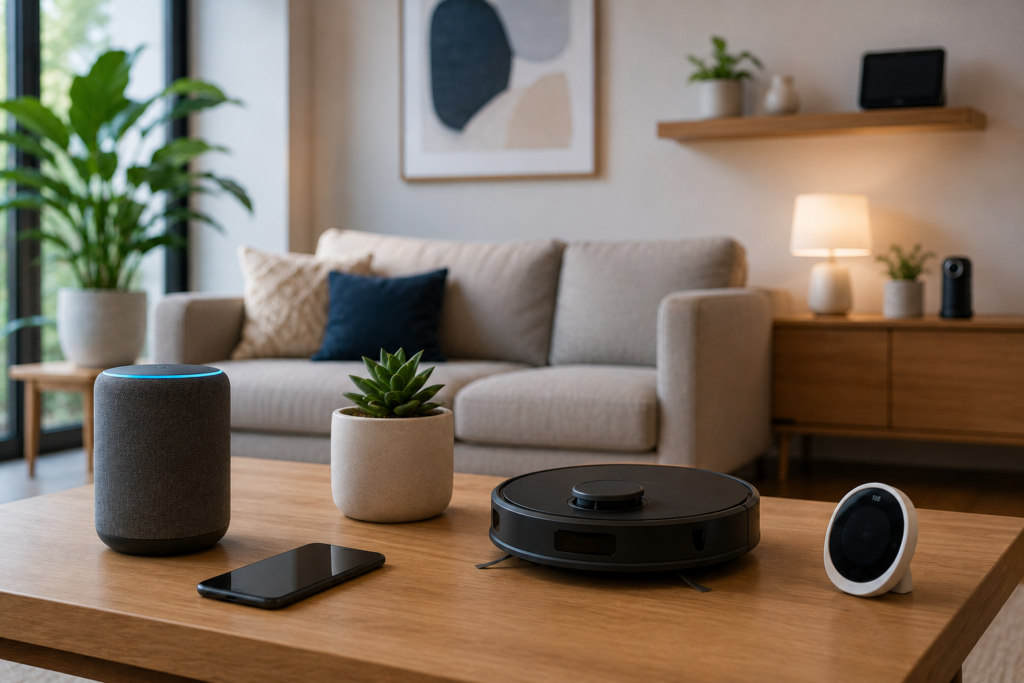
Technology used to feel obvious.
People spent time learning menus, reading instruction manuals, troubleshooting devices, and figuring out complicated settings. In many cases, the technology itself was the experience. Owning a product often meant spending time learning how to use it properly.
Today, many of the most successful products operate differently.
Instead of demanding attention, they quietly blend into daily life. Instead of feeling like gadgets, they feel like normal parts of a home, a routine, or a habit. In many cases, the best technology is the technology people barely notice at all.
That shift may be one of the biggest changes in consumer technology over the last decade.
Technology Used To Feel More Technical
Not long ago, technology often required patience.
Setting up devices could take hours. Connecting products together was not always simple. Even basic tasks sometimes involved navigating confusing menus or reading lengthy instructions.
Consumers largely accepted this because there were few alternatives.
Today, expectations have changed dramatically. Most people expect products to work immediately. They want technology that fits naturally into their lives rather than forcing them to adapt their behavior.
The result is a completely different relationship between people and technology.
The Best Technology Often Disappears Into The Background
Many of the products people value most today are not the products they think about constantly.
A robot vacuum quietly cleans floors while people focus on other things. Smart lighting adjusts the atmosphere of a room. Wireless charging stations eliminate cable clutter without requiring any additional effort.
The common theme is simplicity.
These products are valuable because they remove friction rather than create more interaction. Instead of asking for attention, they quietly solve recurring problems.
That is one reason products discussed in everyday tech products that feel more useful than expected often generate such strong reactions from owners.
Quick Comparison Table
| Technology Then | Technology Now |
|---|---|
| Required learning | Feels intuitive |
| Manual setup | Faster setup |
| Frequent adjustments | More automation |
| Separate devices | Connected ecosystems |
| Demanded attention | Works quietly |
| Felt technical | Feels natural |
Convenience Has Become The Main Selling Point
Technology companies once competed primarily on features.
More buttons. More settings. More customization. More capabilities.
Today, convenience often matters more than complexity.
People increasingly value products that save time, reduce effort, and simplify routines. The most successful devices often focus on removing small frustrations that occur repeatedly throughout the day.
Examples include:
- Fewer cables and chargers to manage.
- Less time spent adjusting settings.
- Faster access to information.
- Automated completion of repetitive tasks.
- Reduced mental effort during daily routines.
Individually, these improvements may seem small. Together, they create a noticeably smoother lifestyle.
Technology Is Becoming Part Of The Home Itself
One reason technology feels less noticeable is because it has become embedded in the home.
Years ago, people thought of technology as something separate. There were computers, televisions, and phones. Those devices represented “technology.”
Today, technology exists throughout the entire home.
Lighting systems, thermostats, speakers, air purifiers, security devices, and cleaning tools all contain advanced technology. Yet homeowners rarely think about them that way.
They simply view them as part of everyday living.
This is closely connected to the trend discussed in homes are starting to feel different because of quiet technology, where technology improves comfort without constantly reminding people it exists.
People Care More About Results Than Features
Most consumers no longer get excited about specifications alone.
What they care about is the outcome.
People want cleaner homes. They want less clutter. They want more comfort and fewer interruptions.
The products that earn long-term appreciation usually deliver one or more of these benefits consistently:
- Save time.
- Reduce stress.
- Improve comfort.
- Simplify routines.
- Remove recurring annoyances.
The technology becomes valuable because of what it accomplishes rather than how impressive it sounds.
The Rise Of Quiet Technology
Some of today’s most successful products are surprisingly unremarkable on paper.
Robot vacuums.
Air purifiers.
Wireless chargers.
Smart thermostats.
Smart lighting.
None of these products generate excitement in the same way new smartphones once did. Yet many owners would hesitate to give them up after incorporating them into daily life.
That is because these products operate quietly in the background while still delivering meaningful benefits.
The Less Attention Technology Requires, The Better
There was a time when technology companies wanted products to become the center of attention.
Today, many products succeed because they require less attention.
Consumers increasingly prefer devices that:
- Work automatically.
- Require minimal maintenance.
- Integrate with existing routines.
- Solve problems consistently.
- Stay reliable over time.
The less effort required from the user, the more valuable the product often feels.
This shift has changed how consumers evaluate technology and what they expect from new purchases.
Homes Feel Easier To Manage Than Before
Many modern homes simply feel easier to live in.
That does not usually happen because of one revolutionary product. Instead, it results from dozens of small conveniences working together.
Tasks that once required multiple steps now happen automatically. Information is easier to access. Daily routines flow more smoothly.
Some examples include:
- Automatic cleaning schedules.
- Voice-controlled reminders.
- Smart home routines.
- Better home security monitoring.
- Simplified charging solutions.
Each improvement may be small, but the cumulative effect can be significant.
People Spend Less Time Managing Devices
One of the clearest trends in modern technology is the reduction of device management.
Consumers no longer want to spend large amounts of time configuring products. They expect devices to work reliably with minimal effort.
Automatic updates, better software, and more intuitive design have helped make this possible.
As a result, people spend less time thinking about the technology itself and more time enjoying the benefits it provides.
This same pattern appears in the tech products that quietly make apartments feel better, where convenience often matters more than technical complexity.
Technology Is Becoming More Human-Centered
Another important change is that products increasingly adapt to people rather than forcing people to adapt to products.
Voice assistants understand natural language. Smart devices learn preferences. Applications simplify tasks that once felt complicated.
Instead of requiring users to learn entirely new systems, many products now fit naturally into existing behaviors.
That makes technology feel more approachable and less intimidating than previous generations of devices.
The Products People Miss Most Are Often Invisible
Interestingly, many of the products people miss most are not flashy gadgets.
They are usually quiet conveniences that have become part of daily life.
For example:
- Reliable Wi-Fi.
- Smart lighting schedules.
- Robot vacuums.
- Wireless charging stations.
- Voice-controlled assistants.
People may not actively think about these products every day, but they quickly notice when they stop working.
That reaction often signals that the technology has successfully become part of everyday life.
Why Invisible Technology Creates Better Experiences
The most valuable products often create the least resistance.
Instead of demanding attention, they support routines. Instead of creating complexity, they remove it.
This is one reason articles like small tech upgrades that make homes feel more modern continue resonating with readers. The upgrades themselves are often small, but the improvements they create feel meaningful.
When technology disappears into the background, people gain more time and attention for other things.
That may be the greatest benefit of all.
The Future Will Likely Feel Even Less Technical
If current trends continue, technology will likely become even more invisible.
Products will focus less on showing off features and more on reducing friction. Setup will become simpler. Automation will become more common. Devices will increasingly work together without requiring constant management.
The future of technology may not involve products that attract more attention.
It may involve products that attract almost none.
Why Technology Feels Less Like Technology Than It Used To
Technology has not become less important.
If anything, it plays a larger role in daily life than ever before. The difference is that it increasingly works behind the scenes rather than demanding attention.
The best products today often share a common goal. They make life easier without becoming the center of it.
That is why technology feels different than it used to. The most successful products no longer feel like technology.
They simply feel like part of everyday life.