
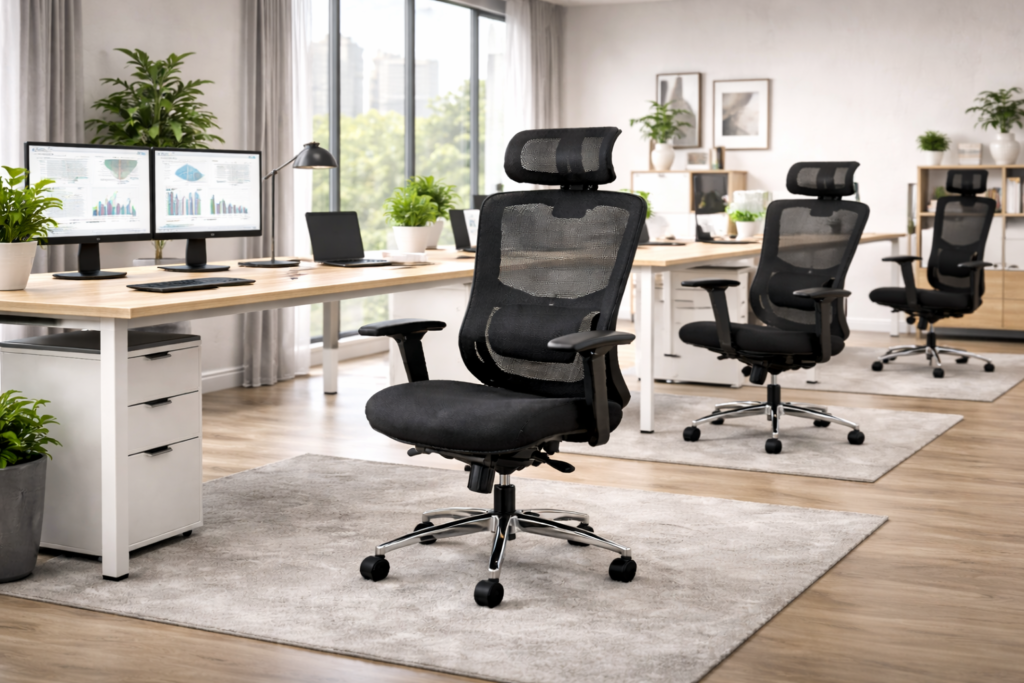
Choosing the right office chair isn’t about picking the most popular option or the one with the most features. It’s about finding something that actually fits your body, your setup, and how long you sit each day. Most people get this wrong and end up with a chair that looks good but feels uncomfortable after a few hours.
If you’re starting from scratch, it helps to understand what separates a good chair from one that just looks the part. Once you know what to look for, the decision becomes much easier.
What Actually Matters First
Before looking at brands or prices, focus on the fundamentals. These are the things that will determine whether a chair works for you long-term.
If you’re comparing options within a budget, this best office chairs under $200 guide shows what you can realistically expect at that price point.
• Lumbar support
This is one of the most important features. Your lower back needs consistent support to maintain a natural spine position.
• Seat depth
Your seat should allow you to sit fully back while leaving a small gap behind your knees.
• Height adjustment
Your feet should rest flat on the ground with your knees aligned with your hips.
• Armrest positioning
Armrests should support your arms without forcing your shoulders up or down.
Getting these right solves most comfort issues before they even start.
How Your Sitting Habits Change What You Need
The right chair depends heavily on how you use it. A chair that works for short sessions won’t necessarily work for long workdays.
If you sit for extended periods, you’ll need something designed for durability and sustained comfort like the options covered in this best office chairs for long hours guide.
If you’re dealing with discomfort or posture issues, this best office chairs for back pain article focuses specifically on support and alignment.
Matching your chair to your daily routine is more important than picking the most advanced model.
What Most People Get Wrong
A lot of people focus on the wrong things when choosing a chair, which leads to poor decisions.
• Prioritizing looks over function
A sleek design doesn’t mean good support.
• Ignoring adjustability
A chair that doesn’t adapt to you will eventually become uncomfortable.
• Choosing overly soft cushions
Soft isn’t always better. Support matters more than initial comfort.
• Skipping measurements
Not all chairs fit all body types the same way.
Avoiding these mistakes puts you ahead of most buyers.
When Budget Actually Matters
Budget plays a role, but not in the way most people think. You don’t need to spend a lot to get something usable, but there is a noticeable difference in quality as you move up in price.
If you’re staying within a lower budget range, it’s important to choose carefully. This best office chairs under $200 guide highlights options that still provide solid value.
Higher budgets typically offer better materials, more adjustability, and longer durability, but that doesn’t mean cheaper options can’t work.
How to Test If a Chair Is Right for You
Even without physically trying a chair, you can evaluate whether it’s likely to work.
• Check lumbar support positioning
It should align with your lower back naturally.
• Look at adjustability options
More adjustments mean better customization.
• Consider your desk setup
Your chair and desk need to work together.
• Think about daily usage time
The longer you sit, the more important support becomes.
This approach helps you make a more informed decision without guessing.
What Actually Improves Comfort Over Time
Comfort isn’t just about the chair itself. It’s about how everything works together.
• Proper desk height
• Screen positioned at eye level
• Consistent posture habits
• Taking short breaks when needed
Even the best chair won’t fix poor setup habits, but the right chair makes it easier to maintain good posture.
When It’s Time to Upgrade
There are clear signs that your current chair isn’t working anymore.
• You feel discomfort after short periods
• You constantly adjust your position
• Your back or shoulders feel strained
• The chair no longer supports your posture
When these happen, it’s usually better to replace the chair rather than try to fix it.
Why Choosing the Right Chair Makes a Big Difference
A good office chair doesn’t just improve comfort. It affects your energy, focus, and overall productivity throughout the day.
Once you switch to something that properly supports your body, the difference is noticeable. Sitting feels easier, and you’re not constantly adjusting or shifting to stay comfortable.
That’s why choosing the right chair is one of the most important decisions for any workspace.