
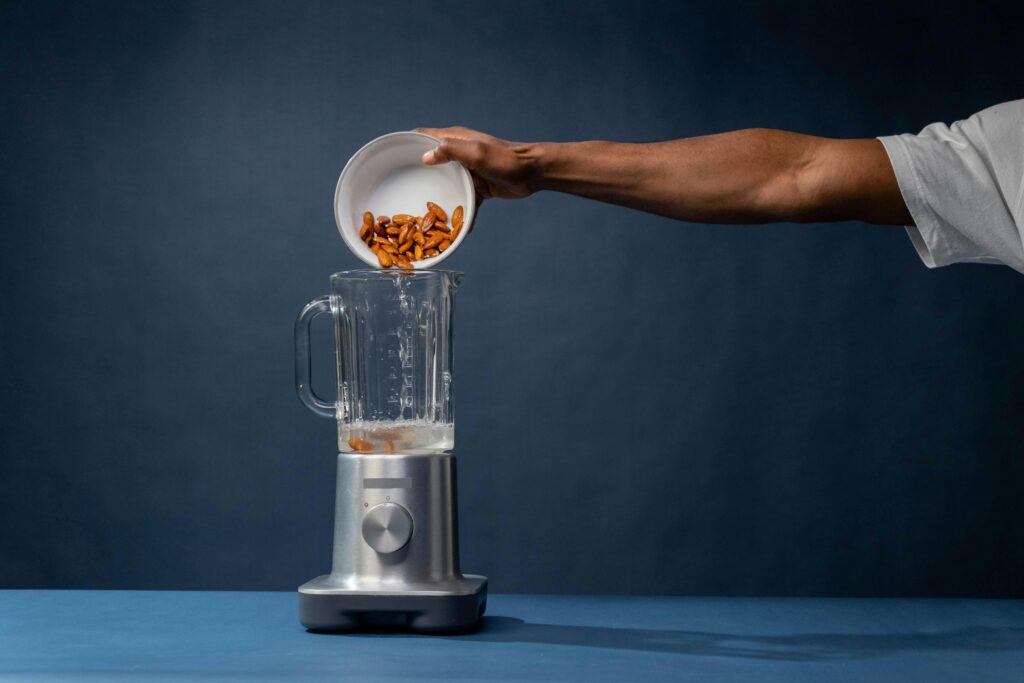
Choosing the right blender can feel overwhelming with so many options on the market. This guide covers everything you need to know, whether you’re shopping for a compact personal blender, a family-size model, or a premium high-powered machine. By the end, you’ll know exactly what to look for so you can pick the perfect blender for your needs.
1. Decide on the Blender Type
Blenders generally fall into three categories:
- Personal Blenders: Compact, usually 16–32 ounces, perfect for single servings, smoothies, or small kitchens.
- Family Blenders: Larger jars, 40–72 ounces, designed for multiple servings, soups, sauces, and meal prep.
- Premium Blenders: High-powered, versatile, built to handle tough ingredients and frequent use.
2. Choose the Right Size
Capacity matters depending on who you’re cooking for. Personal blenders are great for singles or couples, while family blenders are ideal for households that need multiple servings at once. Premium blenders often combine large capacity with professional-grade performance.
3. Consider Power
Blender power is measured in watts. Personal blenders can range from 150–900W, family blenders from 700–1200W, and premium blenders from 1000–1400W or more. Higher power allows for smoother blends, crushed ice, and tougher ingredients like nuts or frozen fruits.
4. Look at Features
Some blenders include preset programs for smoothies, soups, and crushing ice. Others offer manual speed adjustments, pulse functions, or smart technology. Decide whether you want simple one-touch operation or more control over blending speed and texture.
5. Material and Durability
Blender jars can be glass or BPA-free plastic. Glass jars are heavier but stain-resistant, while plastic jars are lightweight and less prone to breakage. Check the build quality and durability, especially for frequent use or heavy ingredients.
6. Ease of Cleaning
Dishwasher-safe jars and removable blades make cleaning faster and easier. If you plan to blend daily, consider how simple the cleanup process will be.
7. Budget
Blenders can range from $20 to over $400. Budget options work well for everyday use, while higher-end models offer stronger motors, larger jars, and extra features for more frequent or demanding use.
Budget-conscious shoppers can see our top blenders under $100.
Quick Comparison Table
| Type | Example Models | Capacity | Power | Best For | Price Range |
|---|---|---|---|---|---|
| Personal | Ninja QB3001, Magic Bullet | 16–32 oz | 250–900W | Single servings, small kitchens | $20–$80 |
| Family | Hamilton Beach Power Elite, Oster Pro 1200 | 40–72 oz | 700–1200W | Families, larger portions | $50–$150 |
| Premium | Vitamix Explorian E310, NutriBullet Balance | 48–64 oz | 1000–1400W+ | High-performance, frequent use | $200+ |
Frequently Asked Questions
What size blender should I choose?
Choose based on servings. Single users or couples can use personal blenders, while families benefit from 40-ounce or larger jars.
Do I need a high-powered blender?
It depends on what you’re blending. High power is necessary for frozen fruits, ice, nuts, or soups. For smoothies with soft fruits, mid-range power is sufficient.
Are preset programs worth it?
Presets make blending easier, especially for soups or smoothies. Manual controls provide more flexibility for custom recipes.
How long will my blender last?
Budget models typically last 3–5 years. High-end blenders like Vitamix can last a decade or more with proper care.
Finding the right blender comes down to understanding your needs. If you’re blending for one or two people in a small kitchen, a personal blender like the Ninja QB3001 or Magic Bullet is ideal. Families should look for larger blenders such as the Hamilton Beach Power Elite or Oster Pro 1200. For frequent use or high-performance results, a premium blender like the Vitamix Explorian or NutriBullet Balance is worth the investment.
By focusing on size, power, features, and durability, you can find a blender that will serve you well for years and make meal prep faster, easier, and more enjoyable.