
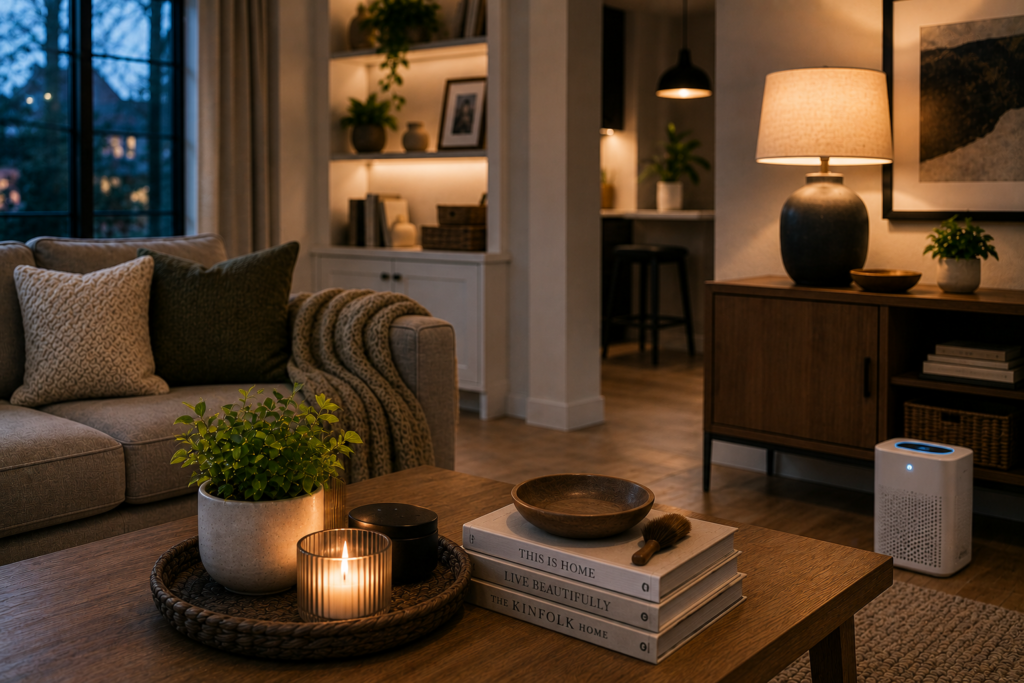
A clean home does not always feel calm.
Some homes technically look organized but still feel stressful to live in. Others feel comfortable, peaceful, and easier to maintain even when they are not perfectly spotless.
That difference usually comes down to habits rather than perfection.
In 2026, many people are moving away from exhausting all-or-nothing cleaning routines and replacing them with smaller habits that reduce stress more naturally over time.
The goal is no longer achieving a picture-perfect home every day. The goal is creating a space that feels manageable, functional, and emotionally lighter to live in.
That shift is quietly changing the way people clean, organize, reset rooms, and think about daily maintenance altogether.
Cleaning Habits That Make Homes Feel Calmer
| Habit | Why It Reduces Stress |
|---|---|
| Small daily resets | Prevents overwhelming buildup |
| Cleaner floors | Makes spaces feel fresher instantly |
| Less visible clutter | Reduces mental overload |
| Maintenance cleaning | Avoids marathon cleaning sessions |
| Simplified storage | Makes tidying easier |
| Better routines | Removes decision fatigue |
| Fewer unused items | Makes homes easier to manage |
People Stopped Waiting Until The House Felt Overwhelming
One of the biggest shifts happening right now is that people increasingly clean before messes become emotionally exhausting.
In the past, many households waited until:
- Laundry piled up.
- Floors visibly looked dirty.
- Counters became cluttered.
- Cleaning started feeling stressful.
That often created a cycle where cleaning felt intimidating before it even started.
More households now focus on maintenance cleaning instead. A few small resets throughout the week usually feel much easier than trying to recover from complete chaos later.
This overlaps naturally with the household cleaning habits people quietly stopped doing in 2026.
Cleaner Floors Change How A Home Feels
Floors have a bigger emotional effect on a home than many people realize.
Dirty floors make rooms feel:
- Busier.
- Heavier.
- Less relaxing.
- More chaotic.
Cleaner floors immediately make spaces feel calmer and easier to maintain psychologically.
That is one reason robot vacuums, lightweight vacuums, and smaller maintenance-cleaning tools continue becoming more popular. People increasingly want floors to stay consistently maintained without requiring exhausting effort.
This connects naturally with what makes a robot vacuum worth using and best lightweight vacuums for apartments that are easy to use and store.
People Feel Better When Surfaces Stay Clear
Visible clutter quietly increases stress.
Crowded countertops, overflowing tables, scattered products, and constantly visible messes create a feeling of unfinished work throughout the home.
That is why many people now prioritize:
- Cleaner kitchen counters.
- Simpler coffee stations.
- Better storage systems.
- Less visible appliance clutter.
- Smaller decorative setups.
Homes often feel calmer simply because there is less visual overload competing for attention.
This is strongly connected to why your kitchen still feels messy and what actually fixes it.
Small Daily Habits Usually Work Better Than Extreme Cleaning Sessions
Many people are realizing that sustainable cleaning habits matter more than motivation.
Extreme deep-cleaning days may feel productive temporarily, but they are often difficult to maintain consistently.
Smaller habits usually create more stable long term results:
- Quick evening resets.
- Five minute kitchen cleanups.
- Daily floor maintenance.
- Putting items away immediately.
- Managing clutter gradually.
These habits reduce stress because they stop homes from reaching the overwhelming stage in the first place.
People Increasingly Want Homes That Feel Easier To Maintain
Modern households increasingly prioritize homes that feel manageable instead of impressive.
That changes:
- Furniture choices.
- Storage decisions.
- Appliance choices.
- Cleaning routines.
- Product purchases.
People increasingly avoid products and setups that create unnecessary maintenance stress.
That includes:
- Excess decorations.
- Hard-to-clean surfaces.
- Oversized furniture.
- Too many kitchen gadgets.
- Complicated organization systems.
This overlaps naturally with small home upgrades people end up appreciating every day.
Technology Quietly Reduced Cleaning Stress
Quiet technology also changed how many households manage cleaning routines.
Products like:
- Robot vacuums.
- Smart air purifiers.
- Smart lighting.
- Lightweight cordless vacuums.
help reduce friction in the background without constantly demanding attention.
That subtle convenience matters because stress usually comes from accumulated small annoyances rather than one massive problem.
This connects naturally with homes are starting to feel different because of quiet technology.
People Are Becoming More Selective About What Stays In The Home
Another major change is that households increasingly keep fewer unnecessary items overall.
People are becoming more intentional about:
- What they buy.
- What they display.
- What they store.
- What they actually use regularly.
That does not necessarily mean becoming minimalist. It usually means reducing the number of things that quietly create clutter and maintenance stress.
This is especially noticeable with:
- Kitchen gadgets.
- Decorative clutter.
- Storage containers.
- Cleaning products.
- Small appliances.
The emotional goal is often simplicity rather than perfection.
A Calm Home Usually Runs On Systems Instead Of Motivation
One of the most important cleaning shifts in 2026 is that people increasingly rely on systems instead of motivation.
Motivation changes constantly. Systems reduce decision fatigue.
That may include:
- Scheduled maintenance cleaning.
- Storage zones.
- Daily resets.
- Simple routines.
- Easier cleaning tools.
- Automated products.
Homes that feel calmer often rely on habits that quietly happen in the background instead of requiring constant bursts of energy.
This is very similar to the broader convenience behavior discussed in why convenience products become everyday habits.
People Increasingly Associate Clean Homes With Mental Comfort
One reason cleaning habits matter so much now is because people increasingly connect home environments with emotional wellbeing.
A cleaner, calmer home often feels:
- More relaxing.
- Easier to focus in.
- Less mentally exhausting.
- More emotionally comfortable.
That does not mean perfect homes create happiness automatically. It usually means homes feel easier to live in when clutter, maintenance, and unfinished tasks stop dominating the environment visually.
This emotional shift is becoming one of the biggest reasons people are changing their cleaning habits altogether.
Stress Often Comes From Friction, Not Dirt
One interesting realization many households are having is that stress often comes from friction instead of actual dirt.
Examples include:
- Clutter with no storage space.
- Cleaning tools that are annoying to use.
- Overcomplicated routines.
- Constant visible messes.
- Hard-to-maintain layouts.
When friction decreases, homes usually feel calmer naturally.
That is why so many modern cleaning habits now revolve around making homes easier to maintain instead of simply trying to clean harder.
The Calmest Homes Usually Feel Sustainable
The homes that feel least stressful are rarely the homes that require constant effort to maintain.
Instead, they are usually homes with:
- Simpler routines.
- Better maintenance habits.
- Cleaner surfaces.
- Less visible clutter.
- Easier systems.
- Lower friction daily living.
That is why modern cleaning habits are changing so quickly in 2026.
People are no longer chasing perfection. They are increasingly building homes that feel calmer, lighter, and easier to live in every day.