
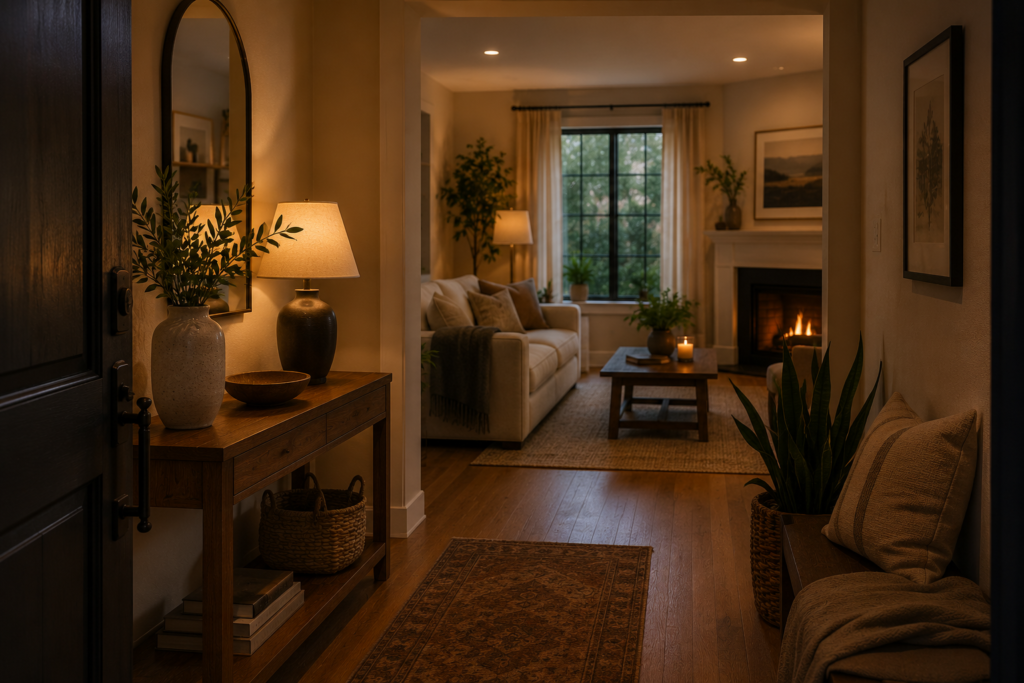
Some homes make an immediate impression.
You walk through the front door and feel relaxed before you can explain why. The space feels welcoming, calm, and easy to be in. You settle into a chair, look around, and feel comfortable almost instantly.
Other homes can be beautiful, expensive, and professionally designed, yet they never create the same feeling.
The difference is rarely one specific feature.
Comfort is usually the result of many small details working together. Most people notice the feeling long before they identify the reason.
That is what makes comfortable homes so interesting.
Why Comfort Is More Powerful Than Design
People often confuse comfort with decoration.
The two are related, but they are not the same thing.
A room can be beautifully designed and still feel cold. At the same time, a relatively simple room can feel incredibly welcoming.
Comfort is less about appearance and more about experience.
The homes people remember most positively are often the homes where they felt relaxed, not necessarily the homes with the most expensive furniture.
Quick Comparison Table
| Comfort Factor | What It Influences | Result |
|---|---|---|
| Lighting | Mood | Warmer atmosphere |
| Sound | Stress levels | More relaxation |
| Air quality | Physical comfort | Fresher feeling rooms |
| Temperature | Daily comfort | Easier relaxation |
| Layout | Movement | Natural flow |
| Personal touches | Emotional connection | Welcoming atmosphere |
The Brain Judges A Room Very Quickly
People form impressions of spaces almost immediately.
Before they notice furniture styles or decorative details, they notice how the room feels.
The brain is constantly scanning for signals.
Is the space bright or dark?
Quiet or noisy?
Comfortable or uncomfortable?
Welcoming or cold?
Most of this happens subconsciously.
That first impression often shapes the entire experience of being in the home.
Lighting Creates Emotional Warmth
One of the biggest factors behind comfort is lighting.
Many comfortable homes use multiple layers of light rather than relying on a single bright source. Natural daylight, floor lamps, table lamps, and softer evening lighting all contribute to a calmer atmosphere.
Harsh lighting tends to make spaces feel more clinical.
Warm lighting tends to make spaces feel more human.
The difference may seem small, but people notice it immediately.
Natural Light Makes Homes Feel Alive
Sunlight changes how people experience a room.
Bright natural light often makes spaces feel larger, cleaner, and more welcoming. It highlights textures, creates depth, and adds energy without making a room feel overwhelming.
Many homes that feel instantly comfortable simply make better use of daylight.
The effect is subtle, but powerful.
People are naturally drawn to spaces that feel open and bright.
Sound Influences Comfort More Than Most People Realize
Many people focus heavily on visuals while overlooking sound.
Yet sound plays a major role in how relaxing a home feels.
Random traffic noise, echoes, loud appliances, and constant interruptions can create background stress that people barely notice consciously.
This is one reason why the everyday discomforts people stop noticing at home often have a larger impact than expected.
People adapt to noise surprisingly well.
That does not mean the noise stops affecting them.
Why Quiet Feels Different From Peaceful
Interestingly, the most comfortable homes are not always silent.
They are consistent.
A home may have soft background sounds, distant outdoor noise, or even a fan running quietly in another room. What matters is predictability.
Unexpected interruptions create tension.
Consistent environments create relaxation.
This is one reason many people relate to why some homes feel more relaxing at night than others.
Peaceful spaces tend to feel stable.
Air Quality Creates Invisible Comfort
People immediately notice clutter.
They notice furniture.
They notice colors.
Air quality is different.
It operates quietly in the background.
A room with fresh, comfortable air often feels more pleasant without people understanding exactly why. A stale room can feel less inviting even when it looks perfectly clean.
Invisible comfort is still comfort.
Sometimes it is the most important kind.
Temperature Has A Bigger Impact Than Decor
People rarely talk about temperature when discussing home design.
They should.
A room that consistently feels comfortable encourages people to stay longer, relax more easily, and enjoy the space.
A room that is too hot or too cold creates friction.
The discomfort may seem minor, but it quietly influences how the space feels.
Comfortable homes remove that distraction.
Layout Creates Effortless Movement
The best layouts rarely attract attention.
They simply work.
People can move naturally through the space. Furniture feels positioned where it belongs. Pathways remain open. Rooms feel connected without feeling crowded.
Good layouts reduce effort.
Bad layouts create small frustrations that accumulate over time.
Comfort often depends on how naturally daily life flows through the space.
Comfortable Homes Feel Lived In
There is a difference between a showroom and a home.
Showrooms often look perfect.
Homes feel personal.
Books, photographs, blankets, plants, and meaningful objects create warmth because they reflect real life. They make a space feel authentic rather than staged.
People connect with authenticity.
That connection contributes significantly to comfort.
Texture Makes A Space Feel Softer
Texture plays an important role in comfort.
Wood, fabric, rugs, cushions, woven materials, and natural finishes create visual warmth even before anyone touches them.
Rooms that contain only hard surfaces can feel colder.
Rooms with varied textures tend to feel more welcoming.
This is one reason comfortable homes often feel layered rather than minimal.
Comfort Comes From Layers
Many people search for a single solution.
Comfort rarely works that way.
It usually develops through layers of improvements working together.
Better lighting.
Better sound.
Better air.
Better routines.
Better flow.
Each improvement may seem small on its own.
Together, they transform how a home feels.
The Most Comfortable Homes Support Daily Routines
A comfortable home does not constantly demand attention.
Instead, it supports daily life.
Morning coffee feels easier.
Evening relaxation feels more natural.
Sleep feels more consistent.
Conversations last longer.
The home works with people instead of against them.
That subtle support creates a powerful emotional response over time.
Why Wellness And Comfort Are Closely Connected
Home comfort and wellness overlap more than many people realize.
People often feel calmer when their environment supports them physically and mentally. Better air, reduced noise, comfortable temperatures, and supportive routines all contribute to wellbeing.
This is a recurring theme in the wellness products people end up using more than expected.
The products themselves matter less than the experience they help create.
People Remember Feelings More Than Features
Ask someone about a home they loved.
They rarely start by describing a lamp.
They rarely mention a coffee table.
Instead, they say things like:
- It felt cozy.
- It felt peaceful.
- It felt welcoming.
- It felt relaxing.
- It felt comfortable.
That emotional memory is often stronger than any specific design detail.
The Most Valuable Home Improvements Are Often Invisible
Many people spend money on things visitors notice immediately.
Yet some of the most meaningful upgrades are nearly invisible.
Improved air quality.
Better sleep environments.
More comfortable humidity levels.
Calmer sound environments.
This is one reason readers often connect with best air purifier and humidifier setups for bedrooms.
The benefits are felt rather than seen.
Why Small Improvements Compound Over Time
Comfort improvements work like habits.
One improvement may not feel dramatic.
Several improvements working together can completely change how a home feels.
A slightly calmer bedroom.
A slightly fresher living room.
A slightly more comfortable evening routine.
Over months and years, those small gains add up.
The result is a home that feels noticeably better to live in.
What People Usually Notice First
Interestingly, people rarely notice the exact improvement.
They notice the absence of discomfort.
The room feels calmer.
The air feels fresher.
The atmosphere feels easier.
This is exactly why many people relate to home wellness products people say help them relax the most.
The benefit is usually experiential rather than technical.
Why Comfort Is Often Appreciated Too Late
Many people only recognize comfort after they improve it.
Before the improvement, the discomfort felt normal.
Afterward, the difference becomes obvious.
This pattern appears repeatedly in the home comfort products people wish they bought earlier.
People adapt to small problems remarkably well.
That does not mean those problems should remain.
Why Some Homes Feel Comfortable Within Seconds Of Walking In
The answer is rarely one thing.
Comfort comes from many small details working together.
Lighting, sound, air quality, temperature, layout, texture, and daily routines all contribute to the feeling people experience when they enter a home.
None of these factors seem dramatic on their own.
Together, they create something powerful.
A home that feels welcoming, relaxing, and comfortable almost immediately.