
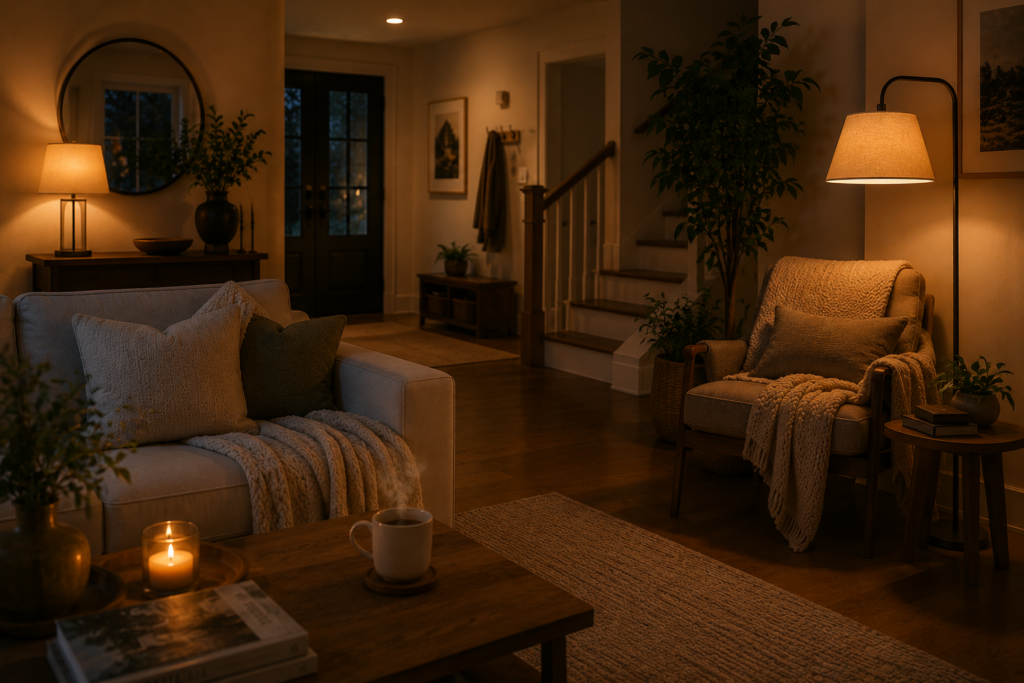
There is a noticeable difference between what people think they want from a home and what they actually appreciate after a long day.
Many people focus on appearance when designing or improving their spaces. They think about furniture, colors, decorations, and layouts.
Those things matter.
But when someone walks through the front door after a stressful day, different priorities tend to take over.
Comfort becomes more important than appearance.
Convenience becomes more important than trends.
Peace becomes more important than perfection.
The home changes people value most are often the ones that make daily life feel easier rather than more impressive.
Why Long Days Change What We Notice
Energy changes perspective.
After a difficult day, people become more aware of friction. Small inconveniences feel larger. Noise feels louder. Discomfort feels more noticeable.
At the same time, simple comforts become surprisingly valuable.
A comfortable chair.
A quiet room.
A relaxing atmosphere.
Good lighting.
Fresh air.
These things rarely dominate conversations about home design, yet they often have the biggest impact on how a home feels.
Quick Comparison Table
| Home Change | Immediate Benefit | Long-Term Benefit |
|---|---|---|
| Better lighting | Calmer evenings | More relaxing atmosphere |
| Improved air quality | Fresher rooms | Greater comfort |
| Reduced noise | Less stress | Better relaxation |
| Comfortable seating | Easier recovery | More enjoyable downtime |
| Better bedroom setup | Improved evenings | Better sleep routines |
| Organized spaces | Less friction | Easier daily living |
The Most Appreciated Changes Are Often The Smallest
Many people assume meaningful home improvements must be expensive.
That is not always true.
Some of the most appreciated changes are surprisingly simple. They remove small frustrations that happen repeatedly throughout the week.
The value comes from repetition.
An improvement experienced every day quickly becomes more important than one experienced occasionally.
Better Lighting Changes The Mood Of A Home
Lighting is often overlooked until evening arrives.
During the day, natural sunlight does much of the work. After sunset, lighting becomes one of the most important elements in the home.
Bright overhead lights can make rooms feel functional.
Softer layered lighting often makes rooms feel more welcoming.
This is one reason people frequently describe certain homes as cozy without being able to explain exactly why.
The lighting creates an emotional response.
Why Evening Atmosphere Matters So Much
People spend a large portion of their free time at home during the evening.
That makes evening comfort particularly important.
A calm atmosphere helps create a clear separation between work and personal life. It allows people to mentally transition from productivity to recovery.
Many of the ideas discussed in why some homes feel more relaxing at night than others become especially noticeable after demanding days.
Small details feel larger when people are tired.
Fresh Air Often Feels Better Than New Furniture
Most people notice furniture immediately.
Air quality is different.
It works quietly in the background.
A room with comfortable air often feels more pleasant without drawing attention to itself. A room with stale or stuffy air may feel less relaxing even when everything looks beautiful.
The difference is often invisible.
That does not make it less important.
Why Air Comfort Gets More Appreciation Over Time
Many comfort improvements become more valuable with repeated use.
Air quality is one of them.
People rarely walk into a room and immediately think about humidity levels or airflow. Instead, they simply notice that the room feels comfortable.
This gradual appreciation explains why articles like best air purifier and humidifier setups for bedrooms resonate with so many readers.
The benefits compound quietly.
Noise Reduction Feels Like A Luxury
A peaceful home feels different.
Not necessarily silent.
Just calmer.
Reducing unnecessary noise often creates an immediate sense of relief after a long day. Loud environments require constant attention. Quiet environments allow attention to relax.
That difference affects stress levels more than many people realize.
Comfort often begins with reducing interruptions.
The Bedroom Matters More Than The Living Room
Many people spend considerable effort improving living rooms while neglecting bedrooms.
That is understandable because living rooms are visible.
Bedrooms are personal.
Yet bedrooms influence some of the most important parts of daily life. Sleep quality, evening relaxation, and morning routines all begin there.
Small improvements in the bedroom often produce larger benefits than expected.
Why Better Sleep Environments Feel Worthwhile
A better bedroom rarely creates dramatic excitement.
Instead, it creates consistency.
The room feels calmer.
The environment feels more supportive.
Sleep becomes easier.
Evenings become more enjoyable.
This is one reason the home comfort products people wish they bought earlier continues to resonate with readers.
Comfort improvements often seem obvious in hindsight.
Comfortable Seating Changes Everyday Life
People spend countless hours sitting.
Reading.
Watching television.
Talking.
Working.
Relaxing.
That makes seating one of the most important comfort investments in any home. A chair or sofa that supports relaxation can influence how enjoyable an evening feels.
People appreciate comfort every time they use it.
Why Convenience Becomes More Valuable With Age
Many people discover that convenience matters more than they expected.
Small conveniences reduce friction.
They save time.
They reduce effort.
They simplify routines.
The cumulative effect can be surprisingly powerful.
Convenience may not be exciting, but it often improves daily life more consistently than novelty.
Organization Creates Mental Space
Physical clutter often creates mental clutter.
A disorganized space demands attention even when people are not consciously focusing on it. Organized environments reduce visual noise and help create a sense of calm.
Perfection is not required.
The goal is simply to remove unnecessary friction.
Homes tend to feel better when they feel manageable.
The Best Improvements Support Existing Routines
Successful home changes rarely require people to completely change their behavior.
Instead, they support routines that already exist.
People already sleep.
They already eat.
They already relax.
They already spend evenings at home.
The best improvements make those experiences easier and more enjoyable.
Why Comfort Usually Beats Luxury
Luxury attracts attention.
Comfort earns loyalty.
People may admire expensive features, but they often appreciate practical comfort more. A home that supports daily life effectively tends to create stronger emotional connections than a home focused solely on appearance.
Comfort remains valuable every day.
That consistency matters.
Small Comforts Build Larger Experiences
One comfortable chair may not transform a home.
One better lamp may not transform a home.
One quieter room may not transform a home.
Several small improvements working together can absolutely transform how a home feels.
Comfort grows through accumulation.
That is what makes it powerful.
People Often Notice What Is Missing
One interesting aspect of comfort is that people frequently notice it most when it disappears.
A noisy room becomes obvious after experiencing a quiet one.
Dry air becomes noticeable after experiencing comfortable air.
A stressful evening routine becomes obvious after experiencing a calmer one.
This pattern appears repeatedly in the wellness products people end up using more than expected.
The value becomes clearer through experience.
Why Relaxation Requires Less Friction
Many people assume relaxation requires adding more things.
Often it requires removing things.
Removing interruptions.
Removing discomfort.
Removing unnecessary effort.
Removing small frustrations.
That reduction creates space for genuine relaxation.
Comfort often grows from simplicity.
What People Appreciate Most After A Long Day
When people are tired, stressed, or mentally drained, priorities become very clear.
They appreciate homes that feel easy.
Homes that feel welcoming.
Homes that feel peaceful.
Homes that support recovery.
Many of the concepts explored in home wellness products people say help them relax the most stem from this exact idea.
People value environments that help them feel better.
Why Comfortable Homes Feel Different
The best homes do not constantly demand attention.
They quietly support the people living in them.
The lighting feels right.
The atmosphere feels calm.
The routines feel natural.
The environment feels comfortable.
None of those qualities seem dramatic individually.
Together, they create something meaningful.
The Home Changes People Appreciate More After A Long Day
At the end of the day, the most valuable home improvements are rarely the flashiest.
They are the improvements that reduce friction, support recovery, and make everyday life feel a little easier.
People may admire luxury.
They usually appreciate comfort more.
That is why the home changes people value most after a long day are often the simplest ones.
The ones that quietly make coming home feel better.