
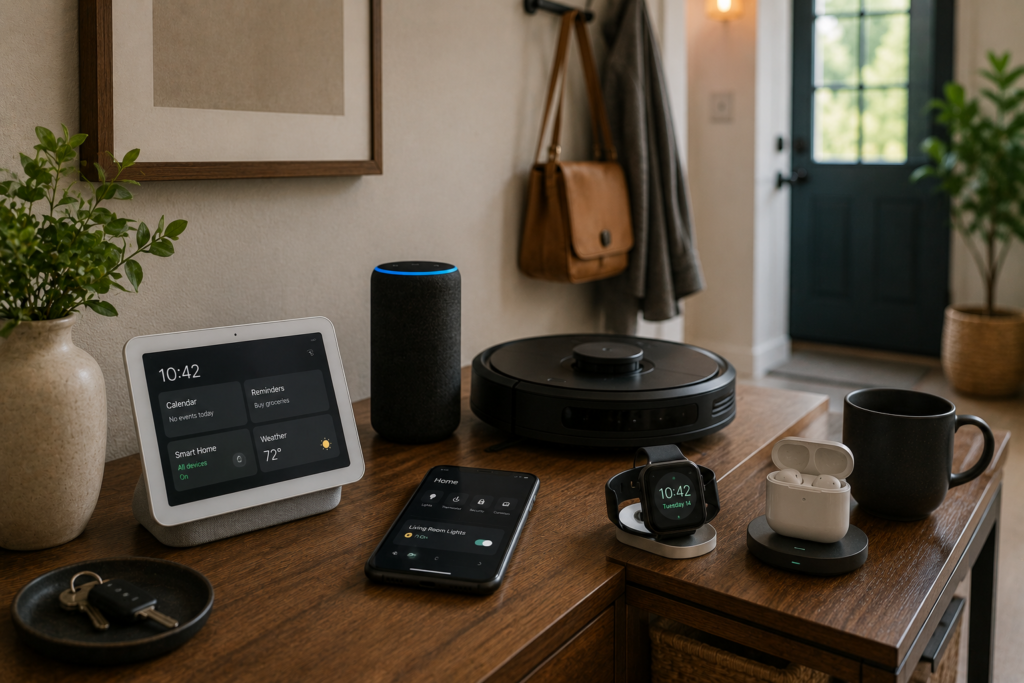
Most people do not notice gradual change.
When something improves little by little over many years, it often becomes difficult to remember what life was like before.
That is exactly what happened with many everyday tasks.
Over the last decade, technology quietly transformed routines that once required more time, more effort, and more attention. The changes were rarely dramatic. Instead, they arrived through dozens of small improvements that accumulated over time.
Today, many people complete tasks in seconds that once took minutes. Others happen automatically without requiring any thought at all.
The result is that daily life often feels very different than it did just ten years ago.
Small Improvements Often Matter More Than Big Innovations
Major technological breakthroughs receive most of the attention.
People talk about artificial intelligence, smartphones, and major product launches.
However, everyday life is usually shaped by smaller improvements.
Saving a few minutes here. Eliminating a small frustration there. Removing a repetitive task from a daily routine.
These changes may not seem significant individually, but together they can transform how a day feels.
Quick Comparison Table
| Ten Years Ago | Today |
|---|---|
| Paper calendars | Digital calendars |
| Printed directions | Real-time navigation |
| Manual cleaning schedules | Automated cleaning |
| Separate chargers everywhere | Organized charging stations |
| Manual thermostat adjustments | Smart temperature schedules |
| Waiting for information | Instant access to information |
Finding Directions Became Almost Effortless
Getting somewhere unfamiliar used to require planning.
People printed directions, wrote down routes, or relied on paper maps. Taking a wrong turn often meant stopping to figure out where to go next.
Today, navigation happens almost automatically.
Real-time directions adjust instantly and provide updates based on traffic, road closures, and route changes.
The convenience has become so normal that many people forget how much effort navigation once required.
Managing Schedules Changed Completely
Scheduling was once more fragmented.
Appointments lived on paper calendars, sticky notes, notebooks, and reminders written in various places.
Missing something important was surprisingly common.
Today, calendars, reminders, notifications, and scheduling systems work together to keep information organized.
This reduction in mental effort is one reason articles like the small frictions technology quietly removed from daily life resonate with so many readers.
Cleaning Requires Less Attention Than Before
Homes still require cleaning.
What changed is how much attention cleaning demands.
Robot vacuums, better scheduling tools, and automated routines help many households maintain cleaner spaces with less active effort.
The biggest benefit is often not cleaner floors.
It is spending less time thinking about cleaning.
This same trend appears in what makes a robot vacuum worth using, where consistency often matters more than cleaning power alone.
Accessing Information Became Instant
Not long ago, finding information often involved searching through paperwork, manuals, folders, or multiple websites.
Even simple questions sometimes required effort.
Today, information is usually available within seconds.
Some examples include:
- Delivery updates.
- Appointment details.
- Weather forecasts.
- Product information.
- Household schedules.
The convenience is so common that it rarely feels remarkable anymore.
Home Security Feels Different
Home security once required much more manual involvement.
People physically checked locks, reviewed concerns manually, and often had limited visibility when away from home.
Modern systems provide updates, notifications, and monitoring tools that help homeowners stay informed with far less effort.
The goal is not necessarily more security.
The goal is greater awareness with less work.
Charging Devices Became Less Frustrating
Many people remember when every device seemed to require a different cable.
Desks became cluttered. Chargers disappeared. Finding the right cable often became annoying.
Charging solutions have improved dramatically.
Wireless charging, charging stations, and more standardized connections have reduced many of those frustrations.
These improvements may seem minor, but they remove recurring annoyances from daily life.
Technology Reduced Decision Fatigue
One of the biggest changes involves mental workload.
Every day contains countless small decisions.
Examples include:
- Did I lock the door?
- Do I need to clean today?
- Did I remember my appointment?
- What route should I take?
- Is my package arriving today?
Many technologies now answer these questions automatically.
That reduction in decision-making contributes significantly to convenience.
Shopping Became More Efficient
Shopping has changed dramatically over the last decade.
Consumers can compare products, read reviews, track deliveries, and complete purchases within minutes.
The amount of information available today would have seemed remarkable not long ago.
This convenience does not necessarily make purchasing easier.
It does make the process faster and more informed.
Homes Adapt Better To Routines
Modern homes increasingly support routines rather than interrupt them.
Lighting schedules, temperature adjustments, reminders, and connected devices help create environments that adapt to everyday life.
The goal is not to make homes more technical.
The goal is to make them easier to live in.
That idea closely connects with how homes quietly became easier to manage.
Communication Became More Immediate
Communication changed significantly over the past decade.
Messages, updates, photos, and information move instantly.
People can connect with family, coworkers, and friends from almost anywhere.
The convenience has become so normal that it is easy to forget how different communication once felt.
Waiting for responses used to be expected.
Today, immediate communication is often the default.
Many Tasks Now Happen In The Background
One of the biggest differences between now and ten years ago is that many tasks no longer require direct involvement.
Examples include:
- Automatic software updates.
- Scheduled cleaning.
- Delivery tracking.
- Cloud backups.
- Smart home routines.
Technology increasingly operates in the background while people focus on other priorities.
The Most Useful Improvements Often Feel Boring
Interestingly, many of the most valuable changes are not exciting.
Reliable internet.
Better charging solutions.
Navigation apps.
Digital reminders.
Automated routines.
These improvements rarely generate headlines, yet they significantly improve daily life.
People Adapt To Convenience Quickly
Humans adjust remarkably fast.
What feels impressive today often feels normal tomorrow.
That is why many conveniences become invisible.
People stop noticing them because they become part of everyday routines.
This is one reason why technology feels less like technology than it used to has become such a common experience.
Many Changes Happened Gradually
There was no single moment when daily life became easier.
The improvements arrived one by one.
Better navigation.
Better connectivity.
Better automation.
Better organization.
Each change was relatively small.
Together, they transformed daily routines.
The Mental Benefits Are Often Overlooked
Most discussions focus on time savings.
The mental benefits may be even more important.
Less remembering.
Less planning.
Less monitoring.
Less troubleshooting.
Reducing mental workload helps create a smoother experience throughout the day.
Technology Helps Prevent Problems
Many modern tools work proactively.
They provide reminders before something is forgotten. They send alerts before issues become larger problems. They help people stay organized without constant effort.
Preventing problems is often more valuable than solving them later.
That is why so many technologies quietly become part of everyday routines.
The Future Will Likely Continue This Trend
Future improvements will probably focus on removing friction rather than adding complexity.
Consumers increasingly value simplicity.
They want products that save time, reduce effort, and fit naturally into existing routines.
The most successful technologies will likely continue becoming less noticeable while remaining highly useful.
The Everyday Tasks That Feel Different Today
Looking back ten years reveals how much daily life has changed.
Directions became easier.
Scheduling became easier.
Cleaning became easier.
Communication became easier.
Information became easier to access.
Individually, these improvements seem small.
Together, they help explain why many everyday tasks feel completely different than they did only a decade ago.