
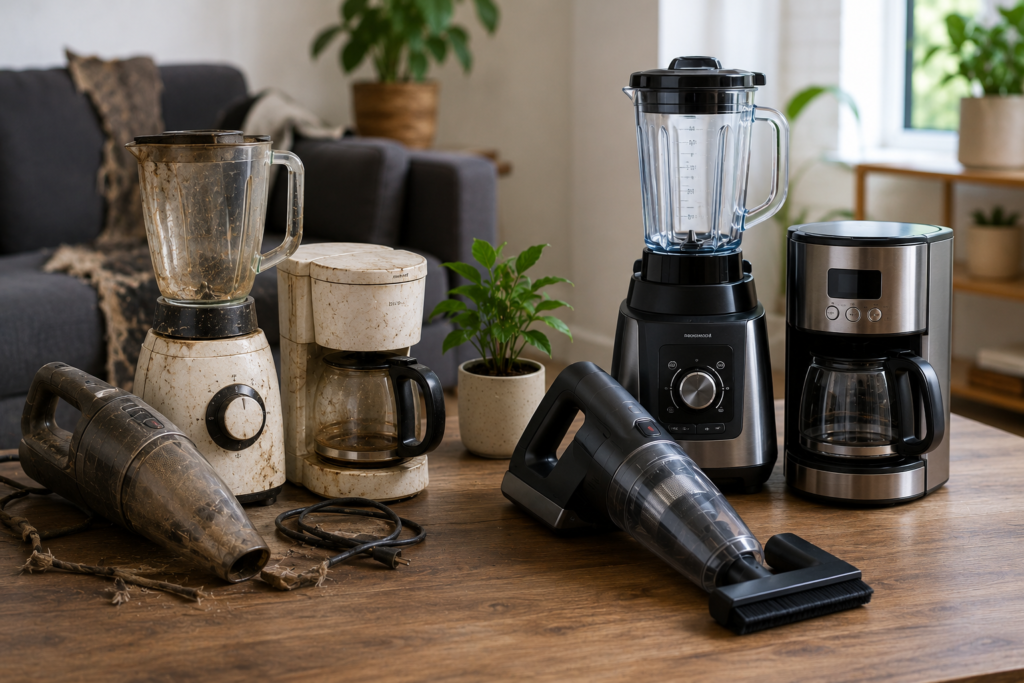
People usually do not realize how expensive cheap products become until they replace the same item three or four times.
At first, the lower price feels like a smart decision. Spending less upfront seems practical, especially when many products online look almost identical in photos. But after a few months of weak performance, annoying problems, or complete failure, the cycle starts again. Another replacement. Another order. Another frustration.
That is why more people are starting to pay attention to long-term value instead of just the lowest price tag.
Quick Comparison: Why Cheap Products Often End Up Costing More
| Category | Common Cheap Product Problem | What People Usually End Up Doing |
|---|---|---|
| Vacuums | Weak suction and short lifespan | Replacing it within a year |
| Office Chairs | Poor comfort and back support | Upgrading after discomfort builds up |
| Kitchen Appliances | Inconsistent performance and breakdowns | Buying a more reliable version later |
| Smart Gadgets | Poor apps and unreliable connectivity | Stopping use completely |
| Grooming Tools | Pulling hair and uneven cutting | Switching to trusted brands |
Cheap Products Often Create Small Daily Frustrations
One of the biggest reasons people regret cheap products is not because they fail immediately. It is because they create constant small annoyances.
A cheap vacuum may technically work, but weak suction, tangled brushes, loud noise, and poor battery life slowly become irritating. The same thing happens with coffee makers that brew inconsistently or office chairs that become uncomfortable after a few weeks.
People usually tolerate these issues longer than they should because replacing products feels inconvenient. Eventually though, those frustrations build up enough that they buy a better version anyway.
That is part of why articles like why cheap vacuums lose suction (and which ones don’t under $150) connect with readers so well.
The “Buy Twice” Problem Happens Everywhere
This pattern shows up in almost every product category.
Someone buys:
- a cheap air fryer
- a low-quality office chair
- a weak countertop ice maker
- a flimsy beard trimmer
Then a few months later they upgrade because the original purchase never really solved the problem properly.
In many cases, buying a slightly better product initially would have cost less overall than replacing the cheaper version later.
That does not mean every expensive product is worth buying. Some overpriced products rely mostly on branding. But there is usually a noticeable difference between extremely cheap products and reliable mid-range options.
That is especially true with appliances people use constantly.
People Usually Notice Quality During Stressful Moments
One interesting thing about product quality is that people often notice it most when they are already stressed or busy.
A cheap vacuum breaking right before guests arrive instantly becomes frustrating. A weak coffee maker during a rushed morning feels far more annoying than it normally would. A poor office chair becomes impossible to ignore after a long workday.
That is why dependable products quietly reduce stress in ways people rarely think about initially.
Reliable products usually:
- save time
- reduce irritation
- simplify routines
- remove small daily obstacles
Over time, many people begin valuing consistency more than simply getting the cheapest possible option.
This is part of why products that genuinely work well often develop loyal followings and long-term recommendations online.
Kitchen Appliances Are One Of The Biggest Examples
Kitchen products are where people often notice this problem fastest because they get used daily.
Cheap blenders struggle with frozen ingredients. Cheap coffee makers leak or brew unevenly. Cheap nonstick cookware loses its coating surprisingly quickly.
Over time, people start realizing they would rather own one reliable product they genuinely enjoy using instead of constantly dealing with replacements.
This is also why many shoppers have started leaning toward articles like kitchen appliances that are actually worth buying vs. what to skip.
The goal is no longer buying the cheapest option possible. It is avoiding regret.
People Are Becoming More Selective With Smart Home Products
Smart home gadgets created a huge wave of impulse buying over the last few years.
Some devices genuinely improve daily life. Others become forgotten within weeks.
People now pay much closer attention before buying smart gadgets because they have already experienced:
- unreliable apps
- weak connectivity
- annoying setup processes
- products abandoned by manufacturers
That is one reason articles like why so many smart home gadgets end up unused resonate so strongly right now.
Consumers are becoming more cautious about buying products that look exciting initially but create frustration later.
Cheap Office Chairs Often Cost More In The Long Run
Office chairs are another category where people commonly regret going too cheap.
At first, saving money feels logical. But after sitting for hours every day, discomfort becomes impossible to ignore.
Poor lumbar support, flattened cushions, unstable armrests, and squeaky frames quickly turn into daily irritation. Then comes the replacement search.
This is why many people eventually shift toward better ergonomic options after learning the hard way.
Articles like cheap vs expensive office chairs: what people regret buying have become increasingly relevant because buyers now care more about durability and comfort than simply finding the lowest price.
Social Media Made Impulse Buying Much Worse
A major reason people continue buying weak products is because social media constantly pushes urgency and hype.
Short videos make products look life-changing within seconds. Flash sales and influencer recommendations create pressure to buy quickly before people properly research quality or long-term reliability.
That often leads to:
- rushed purchases
- trendy gadgets people barely use
- products bought mostly because they looked satisfying online
In many cases, the excitement disappears long before the product actually becomes useful in daily life.
That is partly why more shoppers are now searching for real-world experiences instead of polished marketing videos.
People increasingly care about whether a product still feels worth owning six months later.
The Internet Made Cheap Products Easier To Sell
One major reason this cycle keeps happening is because online shopping makes low-quality products look convincing.
Professional product photos can make almost anything appear premium.
Many shoppers have experienced:
- fake reviews
- misleading product descriptions
- copied product listings
- low-quality private label products
That is why people increasingly rely on real-world usage experiences instead of marketing claims alone.
Products that survive long-term recommendations usually do so because people continue using them months later, not because they looked impressive in an ad.
Reliable Products Usually Feel Better Immediately
There is often a noticeable difference the moment someone upgrades from a cheap product to a reliable one.
A better vacuum glides smoother and cleans faster.
A quality beard trimmer cuts evenly without pulling hair. That is exactly why articles like beard trimmers that don’t pull hair (smooth cutting picks) continue attracting attention from frustrated buyers.
Even simple products like kettles, rice cookers, and cleaning tools tend to feel noticeably easier and more enjoyable to use once quality improves.
People do not just notice performance. They notice reduced frustration.
Cheap Products Often Create More Clutter Over Time
Another hidden downside of constantly replacing cheap products is physical clutter.
Broken gadgets, unused accessories, replacement parts, tangled cords, and abandoned appliances slowly pile up around homes.
Many people have:
- old coffee makers sitting in cabinets
- weak blenders they stopped using
- outdated smart gadgets in drawers
- cheap kitchen appliances collecting dust
That clutter becomes a reminder of impulse purchases that never truly delivered value.
Interestingly, people who buy more intentionally often end up owning fewer products overall because they focus more on usefulness instead of quantity.
This connects closely with articles like why your kitchen feels cluttered because of appliances.
Not Every Product Needs To Be Premium
At the same time, not every purchase needs to be top-tier.
There are plenty of affordable products that deliver excellent value.
The real goal is identifying:
- where cheap becomes problematic
- which categories deserve better quality
- which products people actually use constantly
For example, someone may not need a luxury coffee maker, but buying an ultra-cheap unreliable one usually creates more frustration than savings.
That balance is becoming more important as people focus more on long-term value instead of impulse buying.
People Are Starting To Buy More Intentionally
A noticeable shift happening right now is intentional buying.
Instead of filling homes with random gadgets and replacements, many shoppers are becoming more selective.
They want:
- products that last
- products that simplify routines
- products they genuinely continue using
- products that solve real problems
That shift explains why editorial-style product discussions are becoming more popular than traditional “Top 10 Best Products” lists.
People no longer just want recommendations.
They want reassurance that the product will still feel worth owning months later.
The Cheapest Option Rarely Stays The Cheapest
The biggest lesson many shoppers eventually learn is that price and value are not the same thing.
Replacing the same weak product repeatedly often costs more than simply buying something reliable once.
That applies to:
- kitchen appliances
- office furniture
- cleaning tools
- smart home devices
- grooming products
- everyday home essentials
The products people appreciate most long term are usually the ones that quietly work well every day without creating frustration.
And increasingly, that is what shoppers are actually searching for now.