
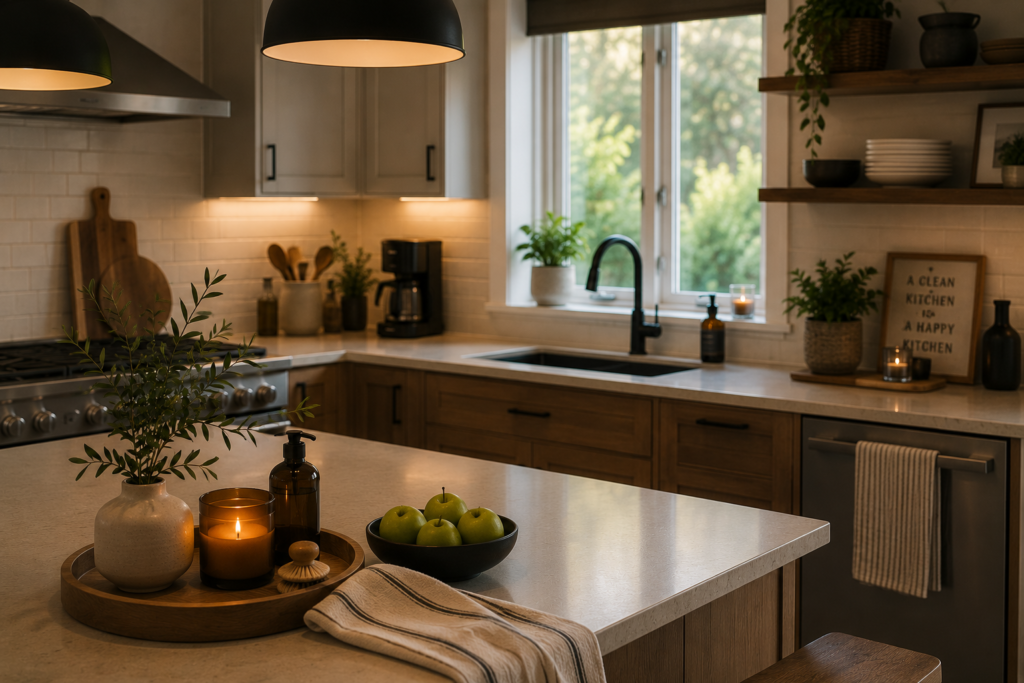
Some homes immediately feel cleaner the moment you walk inside.
It is not always because they are perfectly spotless. In many cases, the difference is more subtle than that. The home simply feels calmer, lighter, and easier to maintain.
Other homes may technically be clean but still feel visually overwhelming or stressful.
That difference usually comes down to systems, habits, and the way the space functions daily rather than how often someone deep cleans.
In 2026, more people are realizing that consistently clean-feeling homes are usually built around maintenance habits instead of exhausting cleaning marathons.
The goal is not perfection. The goal is creating a home that naturally stays easier to manage over time.
What Makes Some Homes Feel Cleaner
| Habit Or Feature | Why It Changes The Feeling Of The Home |
|---|---|
| Cleaner floors | Makes rooms feel fresher instantly |
| Less visible clutter | Reduces visual stress |
| Better lighting | Makes spaces feel calmer |
| Daily resets | Prevents buildup |
| Simpler surfaces | Easier to maintain |
| Organized storage | Reduces chaos |
| Maintenance cleaning | Keeps messes manageable |
Cleaner Floors Have A Bigger Impact Than People Realize
Floors influence how clean a home feels more than almost anything else.
Dust, crumbs, pet hair, and dirt quickly change the emotional feeling of a room even when everything else looks organized.
That is why homes with consistently maintained floors often feel calmer immediately.
Many households now rely on:
- Robot vacuums.
- Lightweight vacuums.
- Quick maintenance cleaning.
- Smaller daily floor resets.
instead of waiting for visible dirt to build up everywhere.
This connects naturally with what makes a robot vacuum worth using and the cleaning habits that make homes feel less stressful.
Visible Clutter Changes The Emotional Feeling Of A Room
One major difference between calm homes and stressful homes is visual noise.
Even relatively small amounts of clutter can make rooms feel:
- Busier.
- More chaotic.
- Mentally heavier.
- Harder to relax in.
That includes:
- Overcrowded countertops.
- Piles of random items.
- Too many visible products.
- Unorganized shelves.
- Excess decor.
Many homes that feel consistently cleaner simply have less visual competition throughout the space.
This is one reason minimalist-inspired layouts continue becoming more popular even among people who are not strict minimalists.
Good Lighting Quietly Makes Homes Feel Cleaner
Lighting changes how people emotionally experience a space.
Homes with:
- Soft lighting.
- Natural daylight.
- Warm evening lighting.
- Layered lighting setups.
often feel cleaner and more relaxing than homes with harsh or inconsistent lighting.
That is partly because softer lighting creates a calmer atmosphere while also making spaces feel more intentional and organized.
This overlaps naturally with best smart lighting systems for your home 2026 guide and homes are starting to feel different because of quiet technology.
Some Homes Are Easier To Maintain By Design
Another important difference is that some homes are simply easier to keep clean.
That usually comes from:
- Better storage.
- Simpler layouts.
- Less unnecessary furniture.
- Fewer decorative items.
- More practical organization systems.
Homes that feel overwhelming to maintain often contain too many things competing for space.
Meanwhile, homes that feel calmer usually make cleaning easier naturally.
That does not require expensive renovations. Small adjustments often matter more than dramatic redesigns.
Daily Reset Habits Prevent Homes From Feeling Chaotic
Many clean-feeling homes rely on small daily resets instead of occasional massive cleaning sessions.
That may include:
- Clearing counters at night.
- Putting items away immediately.
- Quick kitchen resets.
- Five minute tidying routines.
- Daily laundry habits.
These habits prevent visual chaos from building up over time.
People increasingly realize that maintenance habits are emotionally easier than trying to recover from complete disorder later.
This is very similar to the shift discussed in the household cleaning habits people quietly stopped doing in 2026.
The Calmest Homes Usually Have Less Friction
One hidden difference between stressful homes and calmer homes is friction.
Friction includes:
- Hard-to-clean layouts.
- No storage space.
- Overcrowded rooms.
- Complicated cleaning routines.
- Too many rarely used products.
When friction decreases, homes naturally stay cleaner more consistently because maintaining them requires less effort.
That is one reason convenience focused products continue becoming more popular in modern households.
This overlaps naturally with why convenience products become everyday habits.
People Increasingly Prefer Homes That Feel Calm Instead Of Perfect
Another major shift happening right now is psychological.
People increasingly want homes that:
- Feel peaceful.
- Feel comfortable.
- Feel manageable.
- Feel emotionally lighter.
instead of homes that constantly chase unrealistic perfection.
That mindset is changing how people clean, organize, decorate, and buy products altogether.
The emotional goal is often comfort rather than impressiveness.
This connects strongly with why so many people are quietly trying to make their homes feel like hotels.
Storage Systems Quietly Change Everything
Good storage reduces stress more than many people expect.
Homes often feel cleaner when:
- Everyday items have dedicated spaces.
- Surfaces stay clearer.
- Clutter disappears faster.
- Cleaning becomes simpler.
That is why hidden storage, baskets, cabinets, drawers, and organizational systems continue becoming more valuable in modern homes.
The goal is not hiding everything artificially. It is making daily life feel easier to manage visually.
Smell And Air Quality Also Affect How Clean A Home Feels
Clean homes are not only visual.
Air quality and scent strongly influence how people emotionally experience a space.
Homes often feel cleaner when they have:
- Better airflow.
- Less dust buildup.
- Cleaner smelling fabrics.
- Fresher air.
- Lower humidity.
This is one reason air purifiers quietly became part of many households even outside allergy concerns.
This overlaps naturally with why more people are adding air purifiers to their homes.
People Are Becoming More Selective About What Enters The Home
One trend becoming increasingly obvious in 2026 is that people are more intentional about what they bring into the home overall.
Many households now avoid:
- Excess decorative clutter.
- Unnecessary gadgets.
- Rarely used appliances.
- Cheap organizational products.
- Random impulse purchases.
because every additional item eventually creates:
- More cleaning.
- More visual clutter.
- More maintenance.
- More stress.
This shift is making homes feel simpler and easier to maintain long term.
Clean Homes Usually Operate On Quiet Systems
Most consistently clean-feeling homes are not maintained through constant motivation.
They usually rely on quiet systems:
- Daily resets.
- Maintenance cleaning.
- Better storage.
- Easier routines.
- Lower clutter.
- Simpler layouts.
These systems reduce the amount of energy required to keep the home feeling calm.
That is why some homes always seem cleaner than others even when the people living there are just as busy as everyone else.
The difference is often not effort alone. It is creating a home that naturally stays easier to manage every day.