
This article contains affiliate links. As an Amazon Associate, I earn from qualifying purchases at no extra cost to you.
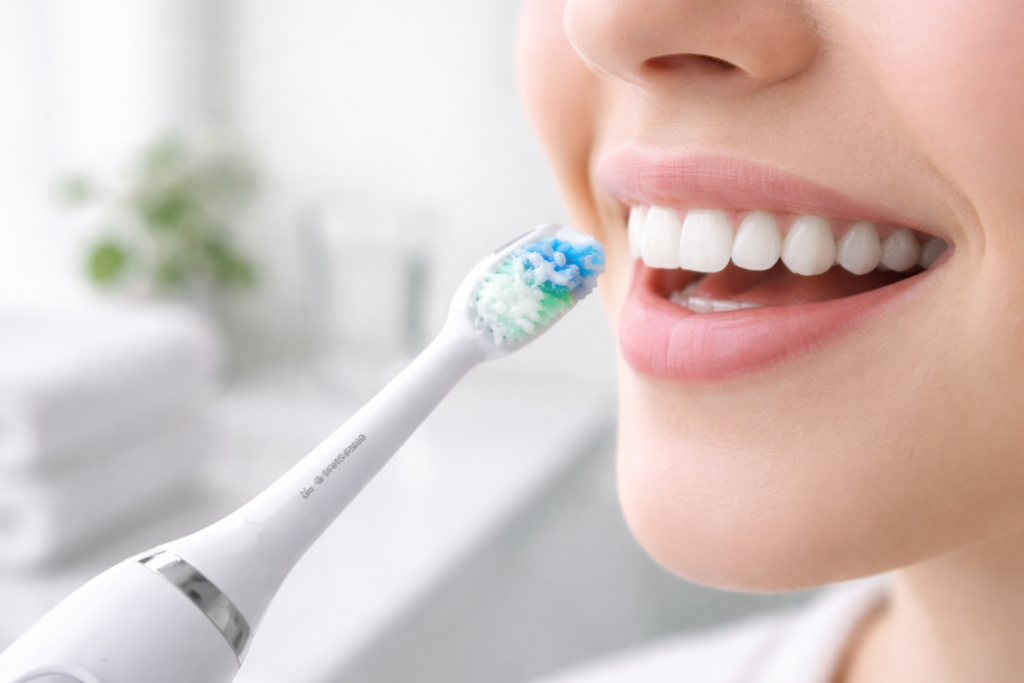
Sensitive teeth make something as simple as brushing uncomfortable. Cold water, pressure, or even the wrong toothbrush can cause sharp discomfort that makes daily routines harder than they should be.
This is why choosing the right electric toothbrush matters more when sensitivity is involved. The wrong one can make the problem worse, while the right one can actually improve comfort over time.
Most people assume they need the softest option available. In reality, it is not just about softness. It is about how the toothbrush delivers its cleaning motion.
Quick Comparison Table
| Toothbrush | Best For | Key Strength | Weakness |
|---|---|---|---|
| Philips Sonicare 4100 | Sensitive teeth | Gentle vibrations | Less aggressive cleaning |
| Oral-B Smart 1500 | Pressure control | Sensor protection | Slightly stronger feel |
| Philips Sonicare ProtectiveClean 5100 | Extra comfort | Multiple modes | Higher price |
| Oral-B Pro 1000 | Strong cleaning | Effective plaque removal | Can feel too firm |
Why Sensitive Teeth Require a Different Approach
Sensitivity is not just about your teeth. It is often connected to gum health, enamel wear, or brushing habits.
Using a toothbrush that is too aggressive can increase irritation instead of improving it. That is why controlled movement matters more than raw power.
A good toothbrush for sensitive teeth reduces unnecessary force while still maintaining consistent cleaning.
If you want to understand how different toothbrush types behave, how to choose the right electric toothbrush explains it in detail.
Best Overall for Sensitive Teeth
For most people dealing with sensitivity, comfort is the top priority.
The Philips Sonicare 4100 Electric Toothbrush is one of the most reliable choices. It uses gentle sonic vibrations that clean effectively without putting pressure on teeth and gums.
This makes it easier to brush consistently without discomfort.
If your main concern is reducing irritation, Philips Sonicare 4100 Electric Toothbrush is the safest starting point.
Best for Controlling Pressure While Brushing
Many users with sensitive teeth are actually brushing too hard without realizing it.
The Oral-B Smart 1500 Electric Toothbrush helps solve that problem with a built-in pressure sensor. It alerts you when you apply too much force, which helps prevent unnecessary irritation.
This makes it a strong option for users who want better control over their brushing habits.
If pressure is your concern, Oral-B Smart 1500 Electric Toothbrush is a smart choice.
For more options that protect your gums, electric toothbrushes that don’t damage gums is worth reviewing.
Best Premium Comfort Option
Some users want additional comfort features without stepping too far into expensive territory.
The Philips Sonicare ProtectiveClean 5100 Electric Toothbrush offers multiple brushing modes, including a dedicated sensitive setting. This allows you to adjust the intensity based on your comfort level.
It is a good option for users who want more control without sacrificing gentleness.
If you want a more customizable experience, Philips Sonicare ProtectiveClean 5100 Electric Toothbrush fits well.
Best If You Still Want Strong Cleaning
Sensitivity does not mean you have to sacrifice cleaning performance completely.
The Oral-B Pro 1000 Electric Toothbrush provides stronger plaque removal while still being manageable when used correctly.
However, it requires more attention to technique. Using light pressure is important to avoid irritation.
If you want stronger cleaning with careful use, Oral-B Pro 1000 Electric Toothbrush can still work.
For a broader comparison of affordable options, best electric toothbrushes under $100 gives a full breakdown.
Quick Recommendation
| If You Want… | Best Pick |
|---|---|
| The gentlest overall experience | Philips Sonicare 4100 Electric Toothbrush |
| Protection against brushing too hard | Oral-B Smart 1500 Electric Toothbrush |
| More control and comfort settings | Philips Sonicare ProtectiveClean 5100 Electric Toothbrush |
What Makes a Toothbrush Feel Gentle in Practice
Gentleness is not just about softness. It comes from how the toothbrush moves and how much control you have over it.
Sonic toothbrushes tend to feel smoother because they rely on vibration rather than rotation. This reduces direct contact pressure.
Features like pressure sensors and multiple modes also play a big role. They help prevent habits that cause irritation.
Common Mistakes That Make Sensitivity Worse
Even the right toothbrush can feel uncomfortable if used incorrectly.
Common mistakes include:
• Brushing Too Hard Without Realizing It
• Using The Wrong Mode For Your Needs
• Moving The Brush Too Quickly
• Skipping Regular Brush Head Replacement
These habits can increase discomfort over time.
How to Improve Comfort Immediately
Small changes can make a big difference.
• Use Light Pressure Instead Of Scrubbing
• Let The Toothbrush Do The Work
• Choose A Soft Brush Head
• Brush Slowly And Evenly
These adjustments improve comfort almost immediately.
Why Consistency Matters More Than Power
A gentle toothbrush used consistently is more effective than a powerful one used incorrectly.
When brushing feels comfortable, you are more likely to maintain proper habits. That consistency leads to better results over time.
This is especially important for users with sensitive teeth, where comfort directly affects routine.
Why the Wrong Toothbrush Can Make Sensitivity Worse Over Time
One of the biggest mistakes people make is assuming that sensitivity is something they just have to deal with. In reality, the toothbrush you use can either improve the situation or slowly make it worse.
Using a toothbrush that is too aggressive, even if it feels effective at first, can wear down enamel and irritate the gumline over time. This does not always happen immediately, which is why many people do not connect their discomfort to their brushing habits.
On the other hand, a properly matched electric toothbrush helps reduce unnecessary pressure and creates a more controlled cleaning motion. Instead of scrubbing, it maintains consistency, which protects sensitive areas while still removing plaque effectively.
This is why choosing the right toothbrush is not just about comfort today. It is about preventing long-term irritation and making sure your daily routine supports healthier teeth instead of working against them.
How to Choose Without Overthinking It
The easiest way to decide is to focus on comfort first.
• High sensitivity – choose sonic models
• Concern about pressure – choose sensor models
• Want flexibility – choose multi-mode options
• Want simplicity – choose reliable basic models
Matching the toothbrush to your needs removes most of the guesswork.
Top Picks from this Article
Want the short version? These are the best electric toothbrushes based on performance, comfort, and everyday usability.
A powerful electric toothbrush with pressure control and consistent cleaning performance, making it a reliable everyday choice.
View price on AmazonA gentle sonic toothbrush that’s ideal for sensitive teeth while still delivering effective daily cleaning.
View price on AmazonThe Best Choice Is the One That Feels Comfortable Every Day
The right electric toothbrush should not feel like something you need to tolerate. It should feel easy to use from the beginning.
If it reduces discomfort and makes brushing easier, you are more likely to stay consistent.
That consistency is what improves your dental health over time, not how powerful the toothbrush is.