
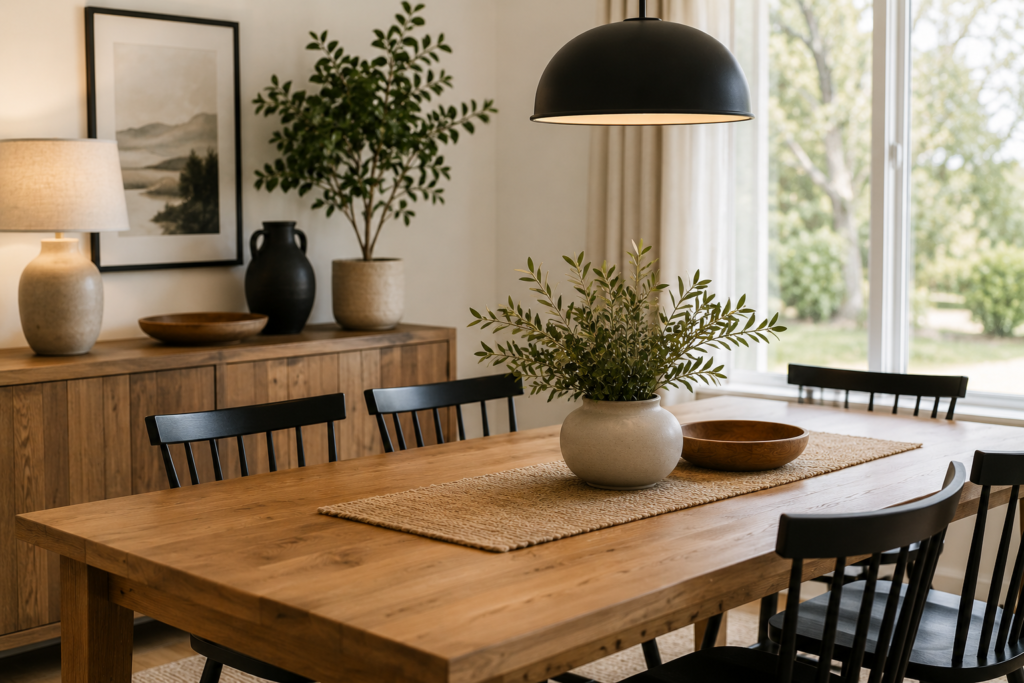
Some homes seem to stay consistently clean without looking like anyone is constantly cleaning them.
The floors stay maintained. Counters rarely become chaotic. Rooms feel calmer and easier to reset. Nothing looks dramatically perfect, but the home quietly feels under control almost all the time.
In many cases, the difference comes down to quiet cleaning habits.
These are small routines and systems that happen naturally in the background before clutter and messes become overwhelming. Instead of relying on motivation or occasional deep-cleaning marathons, these homes stay manageable because maintenance happens continuously in smaller ways.
That shift is becoming much more common in 2026.
People increasingly want homes that feel:
- Easier to maintain.
- Less stressful.
- More relaxing.
- More emotionally comfortable.
Quiet cleaning habits support that goal without making cleaning feel like a constant exhausting task.
Quiet Cleaning Habits That Keep Homes Consistently Clean
| Habit | Why It Works Long Term |
|---|---|
| Daily floor maintenance | Prevents visible buildup |
| Quick evening resets | Stops clutter from spreading |
| Cleaner counters | Reduces visual stress |
| Smaller laundry routines | Prevents overwhelming piles |
| Putting items away immediately | Maintains calmer spaces |
| Easier storage systems | Reduces friction |
| Maintenance cleaning | Prevents cleaning burnout |
The Cleanest Feeling Homes Usually Avoid Big Messes Altogether
One major shift happening right now is that many households no longer rely on dramatic deep-cleaning sessions.
Instead, they focus on preventing messes from reaching overwhelming levels in the first place.
That usually includes:
- Smaller daily resets.
- Quick floor cleaning.
- Consistent clutter management.
- Easier organization systems.
- Faster maintenance habits.
These routines feel less emotionally exhausting because cleaning never fully spirals out of control.
This overlaps naturally with the household cleaning habits people quietly stopped doing in 2026.
Floors Quietly Control How Clean A Home Feels
Floors affect the emotional atmosphere of a home more than many people realize.
Visible dust, pet hair, crumbs, and dirt quickly make spaces feel:
- Busier.
- More stressful.
- Less organized.
- Harder to relax in.
That is why many people now prioritize keeping floors consistently maintained instead of waiting until they visibly look dirty.
Robot vacuums, cordless vacuums, and lightweight maintenance cleaning tools became popular largely because they support these low-friction habits.
This connects naturally with what makes a robot vacuum worth using and homes feel different when cleaning stops feeling like a chore.
Quiet Habits Usually Feel Easier To Maintain
One reason these habits work so well is because they rarely feel overwhelming.
People are much more likely to repeat:
- A five minute reset.
- A quick counter wipe down.
- A small laundry load.
- A nightly tidy session.
than they are to maintain massive multi-hour cleaning routines every week.
The emotional resistance stays lower because the habits fit naturally into daily life instead of interrupting it completely.
Counters And Surfaces Affect Stress Immediately
Many people underestimate how strongly visible surfaces affect the emotional feeling of a home.
Crowded countertops filled with:
- Random packaging.
- Dishes.
- Unused appliances.
- Clutter piles.
- Miscellaneous items.
create constant visual noise.
Homes often feel significantly calmer simply because counters stay clearer more consistently.
That is one reason many households now prioritize:
- Simpler kitchen setups.
- Smaller appliance collections.
- Better storage systems.
- Nightly kitchen resets.
This overlaps naturally with why your kitchen still feels messy and what actually fixes it and why your kitchen feels cluttered because of appliances.
Laundry Systems Quietly Reduce Household Stress
Laundry is another area where quiet systems make a major difference.
Large overflowing piles often create:
- Visual clutter.
- Mental stress.
- A feeling of falling behind.
- More difficult cleanup later.
That is why many people now rely on:
- Smaller laundry loads.
- Simpler folding routines.
- Consistent schedules.
- Easier storage systems.
These habits keep laundry from becoming emotionally overwhelming.
Storage Systems Matter More Than Motivation
Many homes that feel consistently clean are not maintained through constant motivation.
They usually rely on systems instead.
That may include:
- Hidden storage.
- Designated clutter zones.
- Easier organization.
- Functional layouts.
- Simpler furniture arrangements.
When homes support maintenance naturally, cleaning feels far less exhausting.
This is one reason modern households increasingly prioritize homes that feel easier to manage instead of simply trying to clean harder.
People Increasingly Want Homes That Feel Calm Instead Of Perfect
Another major shift happening right now is emotional.
People increasingly care more about:
- Calmness.
- Comfort.
- Simplicity.
- Lower stress.
- Easier routines.
than chasing unrealistic perfection.
That emotional goal is changing:
- Cleaning habits.
- Furniture choices.
- Product purchases.
- Storage decisions.
- Daily routines.
Many households now intentionally reduce anything that creates unnecessary maintenance stress.
This strongly overlaps with why so many people are quietly trying to make their homes feel like hotels.
Technology Quietly Reduced Cleaning Friction
Quiet technology also changed how many homes function daily.
Products like:
- Robot vacuums.
- Air purifiers.
- Smart lighting.
- Lightweight cordless vacuums.
reduce small amounts of friction in the background every day.
That matters because people consistently stick with habits that feel easier emotionally and physically.
This connects naturally with homes are starting to feel different because of quiet technology.
People Are Becoming More Selective About What Enters The Home
One reason some homes stay easier to maintain is because they contain fewer unnecessary items overall.
Many people now avoid:
- Excess decorative clutter.
- Cheap organizational products.
- Rarely used gadgets.
- Impulse purchases.
- Large appliance collections.
because every additional item eventually creates:
- More visual clutter.
- More maintenance.
- More cleaning.
- More stress.
This shift is quietly simplifying many homes in 2026.
The Bedroom Quietly Affects The Entire Home Atmosphere
Bedrooms also influence how calm a home feels overall.
When bedrooms contain:
- Piles of clothing.
- Unfinished laundry.
- Crowded surfaces.
- Random storage clutter.
the entire home often feels mentally heavier.
That is why small habits like:
- Making the bed.
- Clearing nightstands.
- Managing laundry consistently.
- Keeping surfaces simple.
can quietly change the emotional atmosphere of the entire house.
This overlaps naturally with the cleaning habits that make homes feel less stressful.
The Most Sustainable Homes Usually Run On Quiet Systems
The homes that stay consistently clean rarely rely on huge bursts of motivation.
Instead, they usually rely on:
- Smaller daily resets.
- Easier maintenance habits.
- Lower friction systems.
- Better storage.
- Simpler routines.
- More manageable spaces.
These systems reduce the amount of emotional energy required to maintain the home.
That is why quiet cleaning habits are becoming so popular in modern households.
People are increasingly realizing that homes feel calmest not when cleaning becomes perfect, but when maintaining the space quietly becomes part of everyday life.