
This article contains affiliate links. As an Amazon Associate, I earn from qualifying purchases at no extra cost to you.
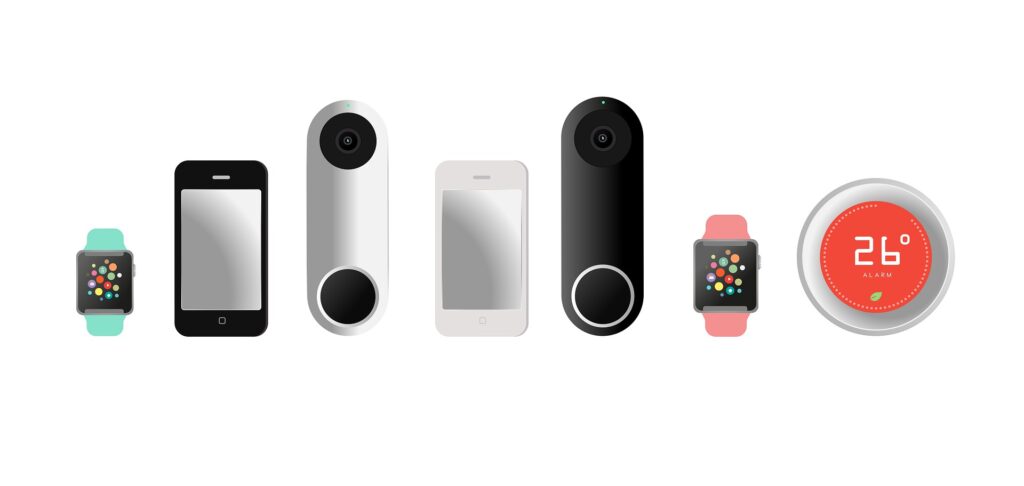
Smart home technology has exploded in recent years. From security cameras to intelligent lighting and voice-controlled assistants, there are countless ways to make your home smarter and more convenient. Whether you are new to home automation or looking to upgrade, these gadgets are designed to simplify daily life, improve security, and enhance comfort.
Start With the Smart Home Problem You Actually Want to Solve
Before buying random smart home gadgets, think about the main problem you want your setup to fix. Some people want better home security, while others want easier lighting, lower energy bills, or simple voice control. This matters because smart home products work best when they solve a specific daily annoyance instead of just adding another app to your phone.
For example, if you mainly care about safety, a video doorbell, smart lock, or motion sensor should come before color-changing lights. If convenience is the goal, a smart speaker and a few smart plugs may be enough to make your home feel noticeably easier to manage. If you want a wider overview before choosing products, this complete smart home buying guide explains what actually matters before you start building a setup.
Quick Comparison Table
| Gadget | Type | Best For | Key Feature | Price Check |
|---|---|---|---|---|
| Amazon Echo Dot (5th Gen) | Smart Speaker | Voice control | Alexa integration | Amazon |
| Philips Hue Starter Kit | Smart Lights | Lighting automation | Color-changing bulbs | Amazon |
| Ring Video Doorbell 4 | Security | Entryway monitoring | Motion detection & alerts | Amazon |
| Nest Thermostat (2023) | Smart Thermostat | Energy savings | Auto temperature control | Amazon |
| TP-Link Kasa Smart Plug | Smart Plug | Appliance control | Remote on/off via app | Amazon |
Amazon Echo Dot (5th Gen)
The Amazon Echo Dot lets you control smart devices, play music, check the weather, and more with just your voice. It’s perfect for beginners and advanced users alike.
Philips Hue Starter Kit
Philips Hue smart lights allow you to set schedules, change colors, and control lighting from your phone or voice assistant. Ideal for creating mood lighting or energy-efficient automation.
Ring Video Doorbell 4
Keep your home secure with the Ring Video Doorbell. Receive alerts when someone approaches your door, view live video, and communicate remotely. Perfect for families or busy households.
Nest Thermostat (2023)
The Nest Thermostat learns your schedule and adjusts temperatures to save energy. It can be controlled remotely, making it great for comfort and cost savings.
TP-Link Kasa Smart Plug
Turn any appliance into a smart device with the Kasa Smart Plug. Schedule devices to turn on/off, control remotely via app, and monitor energy usage.
The Best Order to Buy Smart Home Gadgets
A smart home is easier to build when you start with the basics and add more advanced devices later. The best first purchase for most beginners is usually a smart speaker or hub because it gives you one simple way to control everything. After that, smart plugs and smart lights are low-risk upgrades because they are affordable, easy to install, and useful right away.
Once those basics are working well, you can move into security products like video doorbells, smart locks, and sensors. These usually require a little more setup, so it makes sense to add them after you understand how your smart home system works. If safety is your main priority, this guide to best smart security gadgets for your home is a better next step.
Key Features to Look For in Smart Home Gadgets
- Compatibility with your ecosystem (Alexa, Google Home, Apple HomeKit)
- Ease of installation and setup
- Automation options and scheduling
- Energy efficiency and cost savings
- Security and privacy features
Common Smart Home Mistakes to Avoid
One of the biggest mistakes people make is buying smart devices from too many different ecosystems. A light bulb, doorbell, plug, and thermostat might all be “smart,” but that does not mean they will work smoothly together. Before buying, check whether each product supports Alexa, Google Home, Apple HomeKit, or Matter, depending on what you already use.
Another mistake is buying gadgets that sound impressive but do not solve a real problem. A smart home should make daily life easier, not more complicated. If a product needs constant app switching, unreliable Wi-Fi, or a paid subscription to feel useful, it may not be worth it. This is why it helps to compare truly useful options against products that are more hype than help, like in this guide on smart home devices that are actually worth buying.
Smart Home Gadgets That Save Money Over Time
Not every smart home gadget saves money, but some can genuinely reduce waste and lower everyday costs. Smart thermostats are the clearest example because they can help control heating and cooling more efficiently. Smart plugs can also help by shutting off devices that waste power when they are left on unnecessarily.
Lighting is another area where smart products can be practical. Smart bulbs and schedules can reduce forgotten lights, especially in busy households. The key is to choose devices that automate habits you already struggle with. If energy savings are one of your main goals, this guide to smart plugs that actually save energy would be a strong supporting internal link for this section.
Frequently Asked Questions
Do smart home gadgets work together?
Yes, most devices can integrate with ecosystems like Alexa, Google Home, or Apple HomeKit for seamless automation.
Are smart gadgets expensive?
Prices range from budget-friendly to premium. Many devices offer long-term savings through energy efficiency.
Can I install smart home devices myself?
Most devices are designed for DIY installation and include user-friendly guides.
Who Should Upgrade to Smart Home Gadgets First?
Smart home gadgets are most useful for people who want easier daily routines, better security, or more control over their home while they are away. They can be especially helpful for families, apartment renters, busy professionals, and anyone who wants small upgrades without doing major home renovations.
However, not everyone needs a full smart home setup right away. If you are unsure, start with one category first. A smart speaker, smart plug, or video doorbell is usually enough to test whether smart home features actually fit your lifestyle. Families may also benefit from connected routines, shared controls, and security alerts, which is covered more deeply in this article on the benefits of smart home integration for families.
Starting with a few key devices like smart speakers, lights, or security cameras can transform your home. Focus on compatibility, usability, and value for money when choosing gadgets. As your collection grows, you’ll enjoy a fully automated, convenient, and secure home environment.