
This article contains affiliate links. As an Amazon Associate, I earn from qualifying purchases at no extra cost to you.
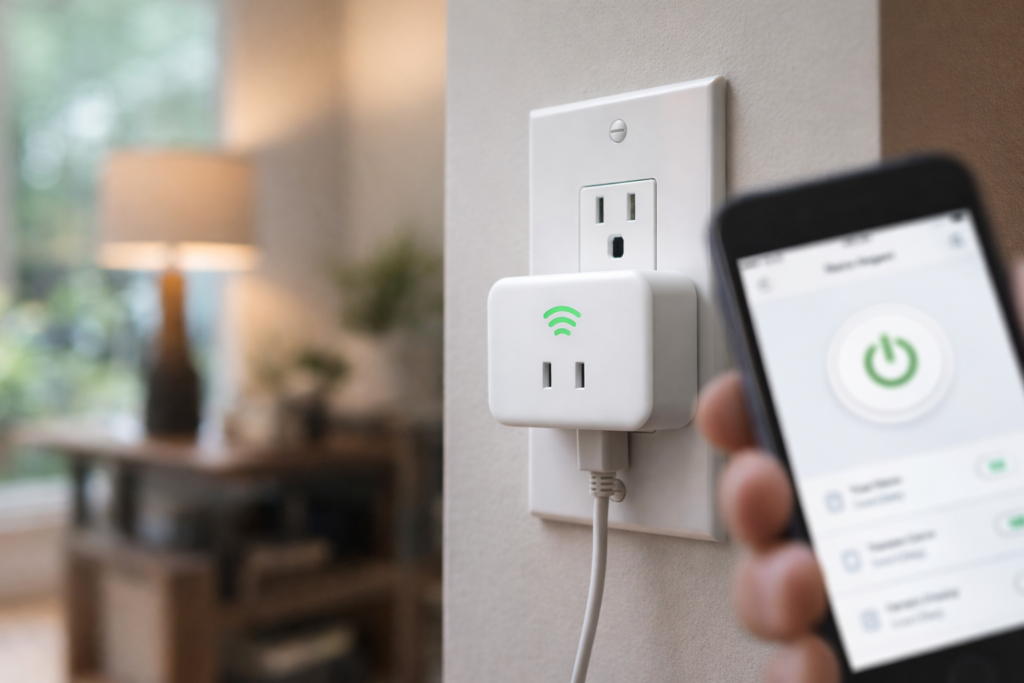
Smart plugs are one of the most misunderstood smart home devices.
They’re marketed as energy-saving tools, but most people don’t actually see any difference in their electricity bill after installing them. That’s where the confusion starts.
The truth is simple. Smart plugs don’t magically reduce energy usage. They only help if you use them correctly.
If you’re building a smart home setup, they can still be useful, especially when combined with devices from best smart home gadgets in 2026.
Why Most Smart Plugs Don’t Save Energy
Most people expect instant savings just by plugging one in.
That’s not how they work.
• They don’t reduce power consumption on their own
• They don’t make appliances more efficient
• They don’t stop energy waste automatically
This is why many people feel like they wasted money.
Smart plugs only work when they’re used to control devices that would otherwise stay on unnecessarily.
What Actually Makes a Smart Plug Worth It
To get value from a smart plug, you need to use it strategically.
• Automate devices that run longer than needed
• Turn off standby power (phantom energy)
• Schedule usage during specific times
• Control high-usage appliances remotely
This is also where they fit into a larger system. If you’re planning a full setup, this complete smart home buying guide helps connect everything properly.
Used correctly, smart plugs become control tools, not just switches.
Quick Comparison (Best Smart Plugs at a Glance)
| Product | Best For | Strength | Limitation |
|---|---|---|---|
| TP-Link Kasa Smart Plug | Most homes | Reliable + easy setup | Basic design |
| Amazon Smart Plug | Alexa users | Seamless integration | No energy monitoring |
| Wyze Smart Plug | Budget option | Affordable + compact | Limited features |
| Eve Energy Smart Plug | Energy tracking | Detailed monitoring | Apple ecosystem only |
Best Overall for Most Homes
TP-Link Kasa Smart Plug with reliable app control and scheduling features is the most practical choice for most users.
It’s easy to set up, works consistently, and allows you to automate everyday devices without complications.
This is the type of plug that just works without needing constant adjustments.
Best for Alexa Users
Amazon Smart Plug with seamless Alexa voice control integration is the simplest option if you’re already using Alexa.
The setup is fast, and everything works smoothly within the ecosystem.
The downside is the lack of advanced features like energy monitoring.
Best Budget Option
Wyze Smart Plug with compact design and basic automation features is a solid entry point.
It covers the essentials without adding unnecessary complexity, making it ideal for simple setups.
Best for Energy Monitoring
Eve Energy Smart Plug with real-time energy tracking and usage insights stands out for visibility.
It lets you track exactly how much power your devices are using, which is where smart plugs actually start becoming useful for saving money.
What Devices Actually Save You Money with Smart Plugs
This is where most people get it wrong.
Smart plugs only help when used with the right devices.
• Heaters and space heaters
• Coffee machines left on too long
• TVs and entertainment systems in standby
• Chargers and small electronics running constantly
Using a smart plug on low-energy devices won’t make a noticeable difference.
Focusing on high-usage or always-on devices is what creates real savings.
How Much Money Smart Plugs Can Actually Save
This is where expectations need to be realistic.
Smart plugs don’t create savings on their own. They reduce waste, and the amount you save depends entirely on what you control with them.
For example, cutting power to high-consumption devices like space heaters or entertainment systems when not in use can make a noticeable difference over time.
On the other hand, using them on low-power devices won’t change your electricity bill in any meaningful way.
The real value comes from consistency. Small reductions in wasted energy add up over weeks and months, especially when applied to multiple devices.
Where Smart Plugs Waste Your Time
Not every use case makes sense.
• Devices you already turn off manually
• Low-power electronics
• Appliances that need constant power
• Anything that requires manual reset
Using smart plugs in these situations creates more hassle than value.
Best Places to Use Smart Plugs in Your Home
Knowing where to use them is what separates a useful setup from a wasted purchase.
Some of the most effective placements include:
• Living room entertainment systems to eliminate standby power
• Kitchen appliances like coffee makers that are often left on
• Bedroom lamps for scheduled lighting
• Office setups to control multiple devices at once
These placements maximize both convenience and efficiency without adding unnecessary complexity.
How Smart Plugs Fit Into a Smart Home System
Smart plugs are rarely the main device. They’re support tools.
They work best when combined with systems like those in best smart security gadgets for your home.
While smart plugs help control power and automate devices, combining them with access control tools like best smart door locks for home security creates a more complete and secure smart home setup.
For example:
• Turning lights on automatically when motion is detected
• Powering devices only during certain hours
• Integrating with routines and automation
This is where they become more useful than expected.
Do Smart Plugs Increase Electricity Usage
This is a common concern, but the answer is simple.
Smart plugs do use a small amount of power to stay connected, but it’s minimal and usually negligible compared to the devices they control.
The energy they consume is far less than what they can help reduce when used correctly.
In most cases, the slight increase in usage is offset by the ability to eliminate unnecessary power consumption elsewhere.
Common Mistakes That Kill Any Energy Savings
Most people fail to see results because of simple mistakes.
• Plugging in the wrong devices
• Not using schedules or automation
• Expecting instant savings
• Ignoring standby power
Smart plugs require intention. Without it, they don’t deliver value.
Are Smart Plugs Actually Worth It
They are, but only in specific situations.
If your goal is convenience, they’re an easy win.
If your goal is saving money, they only work when used with high-energy devices and proper automation.
Without that, they become just another gadget.