
This article contains affiliate links. As an Amazon Associate, I earn from qualifying purchases at no extra cost to you.
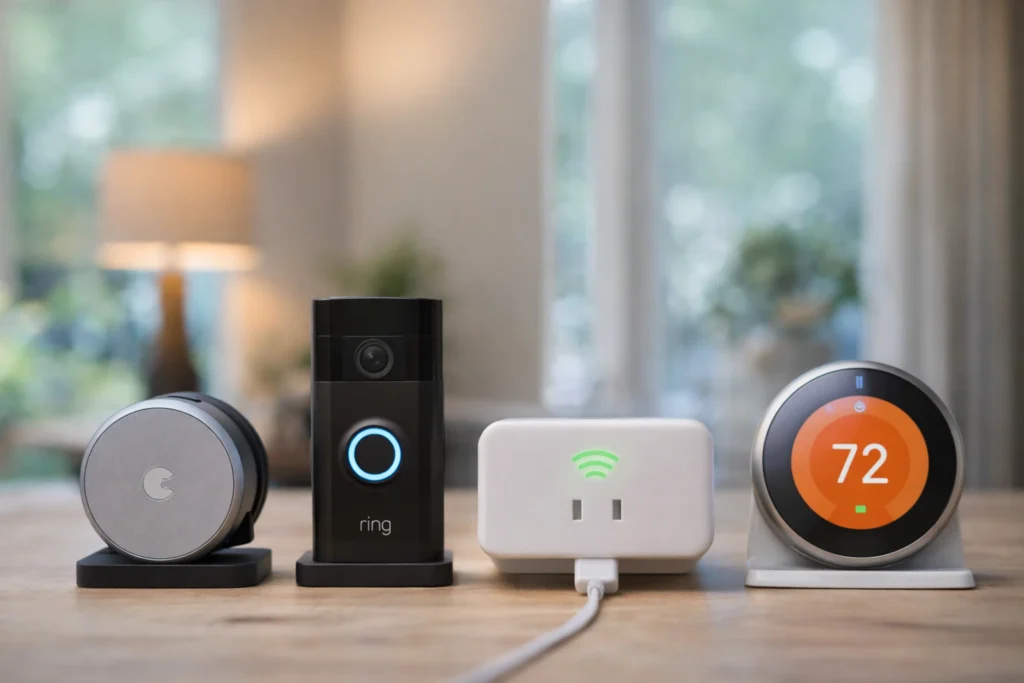
Smart home devices are everywhere now, but most of them don’t actually improve your life.
That’s the part most people realize after they’ve already spent the money.
The problem isn’t the idea of a smart home. It’s buying devices that look impressive but don’t solve real problems.
A smart home should make things easier, not more complicated.
If you approach it the right way, a few well-chosen devices can completely change how your home works. If you approach it the wrong way, you end up with a collection of gadgets you barely use.
Why Most Smart Home Devices Aren’t Worth It
Most devices fail for one simple reason. They don’t solve a real problem.
• They add unnecessary steps instead of removing them
• They rely too heavily on apps
• They don’t integrate well with other devices
• They feel useful at first, then get ignored
This is why many people abandon their smart home setup after a few months.
The goal isn’t to make everything smart. It’s to make the right things smarter.
What Makes a Smart Device Actually Worth Buying
The best smart home devices share a few key traits.
• They save time or effort daily
• They work consistently without troubleshooting
• They integrate smoothly with other devices
• They solve a clear, repeatable problem
If a device doesn’t meet these criteria, it usually ends up being unnecessary.
This is also where planning matters. If you’re building a full setup, this complete smart home buying guide helps avoid compatibility issues from the start.
Quick Comparison of Smart Devices That Are Worth It
| Device | Best For | Main Benefit | Why It’s Worth It |
|---|---|---|---|
| Smart Door Locks | Security | Keyless access | Improves control + safety |
| Video Doorbells | Monitoring | Real-time visibility | Prevents missed deliveries |
| Smart Plugs | Energy control | Automation | Reduces wasted power |
| Smart Thermostats | Energy savings | Temperature optimization | Lowers long-term costs |
This quick overview helps you focus on devices that actually deliver value instead of wasting money on unnecessary upgrades.
Smart Devices That Are Actually Worth Buying
These are the devices that consistently deliver real value.
Smart Door Locks
Smart door locks improve both security and convenience.
They allow you to control access, eliminate keys, and monitor entry in real time.
This is one of the few upgrades that changes how you interact with your home every day. If you’re considering one, this breakdown of best smart door locks for home security helps you choose the right option.
A practical product match here would be smart door locks with keyless entry and remote access control for homeowners who want easier entry and stronger day-to-day control.
Video Doorbells
Video doorbells give you visibility and awareness.
They allow you to see who’s at your door, monitor deliveries, and respond remotely.
This makes them one of the most practical security upgrades. You can compare options in best video doorbells for apartments and houses.
A strong fit for this category is video doorbells with HD video and real-time mobile alerts because they combine convenience with actual everyday usefulness.
Smart Plugs
Smart plugs don’t save energy automatically, but they give you control.
They allow you to automate devices, reduce standby power, and manage usage more effectively.
When used correctly, they become surprisingly useful. Learn how to use them properly in smart plugs that actually save energy.
For buyers who want a low-cost entry point, smart plugs with scheduling and energy-saving automation are often the easiest place to start.
Smart Thermostats
Smart thermostats are one of the few devices that can directly reduce your energy costs.
They adjust temperature automatically and optimize usage based on your habits.
This makes them one of the highest-value upgrades for long-term savings.
If your goal is lower bills and less manual adjustment, smart thermostats with automatic temperature control and energy-saving features are one of the few upgrades that can justify the higher upfront price.
How to Choose the Right Smart Device for Your Home
Choosing the right device depends on your priorities.
If your focus is security, starting with locks and doorbells makes the most sense.
If your focus is saving money, thermostats and smart plugs provide more measurable benefits.
If your goal is convenience, automation devices like plugs and integrated systems will have the biggest impact.
Most people make the mistake of choosing based on features instead of actual use. Focusing on how the device fits into your daily routine leads to better decisions.
Which Smart Device Gives the Fastest Return
Not every smart device delivers value at the same speed.
Some products make life easier right away, while others take longer to justify the cost. That matters when you’re deciding where to start.
Smart door locks and video doorbells usually provide immediate convenience and peace of mind. You notice the benefit quickly because they affect how you enter your home and how you monitor what’s happening outside.
Smart plugs can also feel useful fast, but only if you use them on devices that actually waste energy or stay on longer than needed. Otherwise, they become another gadget that doesn’t do much.
Smart thermostats often take the longest to “feel” worth it, but they can deliver the strongest long-term value because they address a recurring monthly cost instead of just convenience.
Devices That Are Usually Not Worth It
Some devices sound useful but rarely deliver real value.
• Smart refrigerators with screens
• Overly complex lighting systems
• Smart appliances with limited real-world use
• Devices that require constant app interaction
These products often add complexity without improving your daily routine.
How to Build a Smart Home the Right Way
A smart home works best when it’s built step by step.
Start with devices that solve immediate problems.
Then expand based on how you actually use them.
Trying to automate everything at once usually leads to frustration.
If you’re adding security-focused devices, combining tools like those in best smart security gadgets for your home creates a more complete system.
The Biggest Mistake People Make When Building a Smart Home
The biggest mistake is overcomplicating everything.
People try to connect too many devices at once, which creates confusion and reliability issues.
A smart home should feel simple, not overwhelming.
Starting small and expanding gradually keeps everything working smoothly and avoids unnecessary frustration.
The Best Order to Buy Smart Home Devices
Order matters more than most people think.
A lot of wasted money comes from buying flashy devices first instead of building around real priorities. The smartest approach is to start with the devices that solve the most obvious daily problem.
For many people, that means beginning with security. A smart door lock or video doorbell has a clear purpose and an easy payoff. You immediately understand what it’s doing for you.
After that, smart plugs are often the next logical step because they’re affordable and let you test automation without spending much. They’re also useful for building habits around scheduling and remote control.
Smart thermostats usually make the most sense after that. They cost more, but by that point you already know whether you actually use your smart home features or just like the idea of them.
What Makes One Smart Home Setup Better Than Another
The difference usually isn’t the brand. It’s how well the system fits the home.
A better setup is not the one with more devices. It’s the one with fewer devices that work together smoothly and solve recurring problems. That could mean a simple security-first setup, or it could mean a convenience-first setup focused on automation and energy savings.
This is why two people can spend the same amount of money and get completely different results. One person buys random gadgets. The other chooses devices that support each other and fit daily routines.
That is also why hub-style articles like this matter. They help you see the bigger picture instead of chasing whatever product looks interesting in the moment.
Common Mistakes That Waste Money
Most wasted spending comes from simple mistakes.
• Buying devices without a clear purpose
• Ignoring compatibility between products
• Choosing features over usability
• Trying to automate everything at once
Avoiding these mistakes is what keeps your setup simple and effective.
Who Benefits Most from Smart Home Devices
Smart home devices are not equally useful for everyone.
They tend to provide the most value for people who repeat the same routines every day, care about convenience, or want better visibility and control over their home. That includes busy households, people who travel often, homeowners focused on security, and anyone trying to reduce daily friction.
They can also be especially useful for people who forget small things, like turning devices off, checking the front door, or adjusting the thermostat before leaving.
On the other hand, someone who prefers very simple, manual routines and rarely uses automation may not get much value beyond one or two core devices. That’s why the smartest buying decision often starts with being honest about how you actually live.
How to Avoid Buying Smart Devices You Won’t Use
This is where most waste happens.
Before buying any smart home device, ask one simple question: what exact problem is this supposed to solve? If the answer is vague, that device probably isn’t worth buying.
The best purchases usually solve a repeated annoyance. Losing track of keys, missing packages, leaving devices on, or wasting money on heating and cooling are all clear use cases. A product that solves one of those problems has a much better chance of being used consistently.
Another good filter is whether you would still want the product if the “smart” label were removed. If the answer is no, the device may be more novelty than value.
Building A Smart Home The Right Way
The best smart home setups are built gradually, starting with devices that solve everyday problems.
Instead of buying everything at once, focus on products that improve comfort, security, or energy efficiency in a noticeable way.
If you’re looking to expand your setup, this guide on smart home hubs explains how to connect multiple devices into a single system.
A simple, well-planned setup is usually more effective than a complicated one.
Are Smart Home Devices Actually Worth It
They are, but only when chosen carefully.
A few well-selected devices can make your home more efficient, secure, and convenient.
Too many unnecessary devices do the opposite.
The difference comes down to choosing based on real use, not marketing.