
This article contains affiliate links. As an Amazon Associate, I earn from qualifying purchases at no extra cost to you.
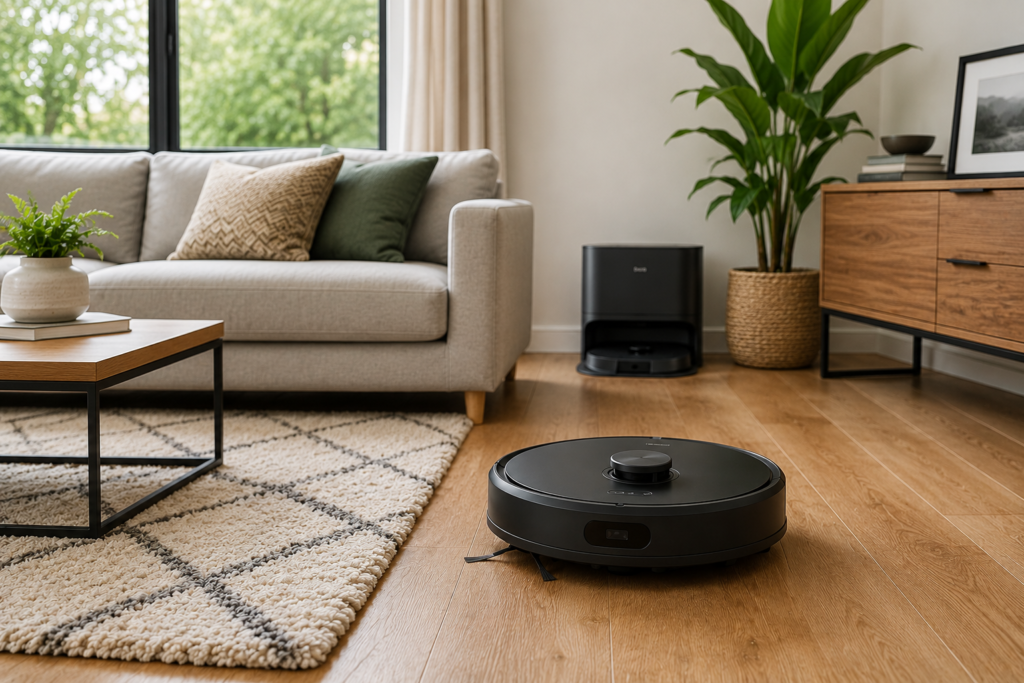
Robot vacuums used to feel like one of those gadgets people bought out of curiosity and slowly stopped using a few weeks later. In 2026, that situation has changed dramatically.
A few years ago, many people saw robot vacuums as expensive toys that bounced randomly around the floor, got stuck under furniture, and missed half the dirt in the room. Now they have become one of the fastest growing smart home products because the technology finally feels useful in everyday life.
More homes are using robot vacuums because people want convenience without constantly thinking about cleaning. Busy schedules, pets, apartments, hardwood flooring, and smart home automation have all helped push robot vacuums into the mainstream.
The biggest difference is that modern robot vacuums no longer feel experimental. Many of them now genuinely reduce the amount of cleaning people need to do every week.
Robot Vacuum Features Most People Notice First
| Feature | Budget Robot Vacuums | Premium Robot Vacuums |
|---|---|---|
| Navigation | Random movement | Smart mapping |
| Emptying | Manual bin emptying | Self emptying dock |
| Obstacle Avoidance | Limited | Advanced AI detection |
| App Features | Basic controls | Full scheduling and room mapping |
| Pet Hair Performance | Average | Strong suction and brush systems |
| Noise Levels | Louder | Quieter operation |
| Long Term Experience | Can feel frustrating | Usually more reliable |
Top Picks From This Article
Roborock Robot Vacuum
A strong pick for smart mapping, reliable cleaning, and homes that need a more advanced robot vacuum experience.
View price on AmazonShark Robot Vacuum
A practical choice for people who want strong everyday cleaning, easy scheduling, and a familiar household brand.
View price on AmazonLefant Robot Vacuum
A more affordable option for smaller homes, apartments, and basic maintenance cleaning without overspending.
View price on AmazonPrices and availability can change at any time, so check Amazon for the latest details before buying.
Why Robot Vacuums Suddenly Feel More Useful
One of the main reasons robot vacuums became more popular is that they improved in ways people actually notice. Earlier generations focused too much on the idea of automation instead of real cleaning performance.
Modern robot vacuums now include:
- Better navigation systems.
- Stronger suction.
- Improved battery life.
- Smart room mapping.
- Self emptying stations.
- Obstacle detection.
- Better pet hair performance.
Instead of randomly bumping into walls for an hour, newer models can create detailed maps of homes and clean specific rooms efficiently.
Products like the Roborock robot vacuum and Shark AI vacuum helped shift public opinion because they finally delivered a smoother experience that felt practical instead of frustrating.
The Appeal of Cleaning Without Thinking About It
Traditional vacuuming interrupts people’s routines. Even quick cleaning sessions require:
- Pulling out the vacuum.
- Plugging it in.
- Moving furniture.
- Emptying dust containers.
- Putting everything away afterward.
Robot vacuums remove most of those small annoyances.
Many people schedule their robot vacuum to run automatically while they are:
- At work.
- Sleeping.
- Running errands.
- Cooking.
- Relaxing.
That “set it and forget it” convenience is one of the biggest reasons adoption exploded in 2026.
It is similar to why people increasingly invest in smart home products that quietly automate daily tasks. Articles like best smart home gadgets in 2026 – innovative devices for every home and why convenience products quietly become part of everyday life connect naturally with this trend.
Pet Owners Helped Drive the Robot Vacuum Boom
Pet hair is one of the biggest reasons many people finally decided to try robot vacuums.
Homes with dogs or cats often collect:
- Fur tumbleweeds.
- Dust buildup.
- Food debris.
- Dirt near entryways.
- Hair trapped under furniture.
Instead of waiting for visible mess to build up, robot vacuums help maintain floors daily.
This matters because pet owners usually need constant maintenance cleaning rather than occasional deep cleaning.
A good robot vacuum for pet hair can dramatically reduce how often someone needs to manually vacuum hardwood or tile floors.
That is especially appealing for people already struggling with heavy shedding. Similar cleaning frustrations appear in articles like best vacuums for pet hair under $150 that actually work.
Self Emptying Stations Changed Everything
One of the biggest improvements in robot vacuums was the rise of self emptying docks.
Older robot vacuums often required:
- Frequent dust bin emptying.
- Constant maintenance.
- Regular filter cleaning.
That removed some of the convenience people expected.
Now many premium models automatically empty debris into a larger dock container that may only need attention every few weeks.
That small improvement changed the user experience significantly.
For many people, a self emptying robot vacuum finally made the product feel genuinely automatic instead of partially automated.
Apartments Became a Huge Growth Category
Robot vacuums became especially popular in apartments and smaller homes.
Smaller spaces often:
- Collect visible dust quickly.
- Require frequent cleaning.
- Have limited storage space.
- Use hardwood or tile flooring.
- Benefit from daily maintenance cleaning.
Traditional vacuums can feel bulky in compact apartments. Robot vacuums solve that problem because they store themselves neatly under furniture or inside docking stations.
This connects closely with trends already visible in articles like best Amazon products for small apartments that actually save space and lightweight vacuums for apartments that are easy to use and store.
People Want Homes That Feel Cleaner All the Time
Another major shift is psychological.
Many people no longer want cleaning to happen only once or twice a week. They want homes that consistently feel clean every day.
Robot vacuums support that goal because they quietly maintain floors regularly instead of waiting for mess to become obvious.
Daily maintenance cleaning often:
- Reduces visible dust.
- Makes hardwood look cleaner.
- Keeps crumbs from accumulating.
- Helps homes smell fresher.
- Reduces stress from visible mess.
This overlaps heavily with the growing interest in calm, hotel-like living spaces discussed in why so many people are quietly trying to make their homes feel like hotels.
Smart Mapping Made Robot Vacuums Far Less Annoying
One of the biggest complaints about older robot vacuums was how chaotic they felt.
People hated:
- Watching them repeatedly hit walls.
- Getting stuck under chairs.
- Missing obvious areas.
- Cleaning the same spot repeatedly.
Smart mapping technology solved much of that frustration.
Modern smart mapping robot vacuum models can:
- Learn room layouts.
- Create floor maps.
- Avoid restricted areas.
- Clean specific rooms.
- Follow efficient cleaning paths.
This dramatically improved trust in the technology.
Robot Vacuums Became Better Looking Too
Design also played a role.
Older models often looked cheap or overly futuristic. Newer robot vacuums blend much more naturally into modern homes.
Premium models now feature:
- Minimalist docks.
- Cleaner finishes.
- Lower profiles.
- Better app interfaces.
- Less visible clutter.
That matters because people increasingly care about products that integrate naturally into home design instead of creating visual chaos.
The Technology Finally Feels Reliable
Reliability is one of the biggest reasons adoption increased.
Many earlier robot vacuums felt inconsistent. Some days they worked perfectly. Other days they:
- Lost navigation.
- Got trapped easily.
- Missed rooms.
- Failed to return to docks.
Newer premium models have become significantly more dependable.
That reliability helps justify spending more upfront on products like:
- Roomba vacuum
- Shark AI vacuum
- Roborock robot vacuum
This connects closely with broader consumer behavior trends explored in why people keep replacing cheap products instead of buying better once.
Budget Robot Vacuums Still Have Problems
Even though the category improved overall, cheaper robot vacuums still frustrate many people.
Common complaints include:
- Weak suction.
- Poor battery life.
- Random navigation.
- Frequent getting stuck.
- Weak app support.
- Small dust bins.
That is one reason some people still abandon them after the novelty wears off.
The gap between budget and premium models remains significant in 2026.
Robot Vacuums Work Best as Maintenance Cleaners
One important reason satisfaction improved is that expectations changed.
People used to expect robot vacuums to completely replace traditional vacuuming. That rarely worked well.
Now many homeowners understand robot vacuums are best used for:
- Daily maintenance.
- Dust control.
- Pet hair management.
- Keeping floors consistently cleaner.
Most people still use a traditional vacuum occasionally for deep cleaning.
This is similar to the relationship discussed in cordless vs upright vacuums under $150 (what people regret buying).
Hardwood Floors Helped Fuel Popularity
Robot vacuums perform especially well on:
- Hardwood.
- Tile.
- Laminate.
- Vinyl flooring.
As more homes moved away from wall-to-wall carpet, robot vacuums became more practical.
Smooth flooring allows:
- Better navigation.
- More efficient cleaning.
- Less resistance.
- Better battery performance.
This helped robot vacuums fit naturally into modern interior design trends.
Apps Became Much Better
The app experience improved dramatically over the past few years.
Many robot vacuum apps now allow:
- Room targeting.
- Cleaning schedules.
- Voice assistant integration.
- Cleaning history tracking.
- No-go zones.
- Multi-floor maps.
Instead of feeling like confusing companion software, apps now make the experience easier and more customizable.
Robot Vacuums Appeal to Busy Professionals
Another major factor is lifestyle.
People working long hours often prioritize convenience over traditional chore routines.
Coming home to freshly cleaned floors feels valuable because it removes one more task from the day.
That is why robot vacuums increasingly appear alongside:
- Smart thermostats.
- Smart lighting.
- Automated coffee makers.
- Air purifiers.
- Convenience-focused home upgrades.
Many of these trends overlap with home upgrades that actually reduce daily stress.
People Care More About Dust and Air Quality
Robot vacuums also became more appealing because many homeowners are paying closer attention to indoor cleanliness.
Daily floor cleaning can reduce:
- Dust buildup.
- Pet dander.
- Allergens.
- Debris accumulation.
This pairs naturally with products like air purifiers, especially in homes with pets or allergies.
The overlap with why more people are adding air purifiers to their homes is very strong.
The Category Became More Competitive
Competition helped improve robot vacuums significantly.
Brands now compete heavily on:
- Navigation quality.
- Suction performance.
- Battery life.
- Obstacle detection.
- Self emptying systems.
- App experience.
That competition accelerated innovation quickly over the past few years.
Consumers benefit because even mid-range models are now far better than older premium models from only a few years ago.
Obstacle Avoidance Is One of the Biggest Improvements
Modern robot vacuums are much better at avoiding:
- Shoes.
- Cords.
- Pet bowls.
- Furniture legs.
- Small obstacles.
This matters more than many people realize.
Older robot vacuums often required constant supervision because they became trapped so easily. Improved AI detection dramatically reduced that problem.
Robot Vacuums Fit Perfectly Into Smart Homes
Robot vacuums integrate naturally into broader smart home ecosystems.
People can now:
- Start cleaning through voice assistants.
- Automate schedules.
- Connect routines.
- Control devices remotely.
That makes robot vacuums feel like part of a larger modern-home experience instead of isolated gadgets.
This links naturally with smart home devices worth buying vs what to avoid and benefits of smart home integration for families.
People Increasingly Value Time Over Chores
One of the biggest reasons robot vacuums are growing so quickly is simple: people value convenience more than ever.
Products that quietly save time tend to become permanent parts of daily life.
Robot vacuums fall directly into that category because they reduce friction around one of the most repetitive household tasks.
That convenience factor is exactly why more homes are using robot vacuums in 2026, and the trend likely will not slow down anytime soon.